Laminate is practical and good looking, but it is not right for every room. Here is where it shines, where to be careful and where to choose something else.
What are laminate floors?
Laminate is a layered floor with a dense fiberboard core, a high resolution photographic layer that looks like wood or stone, and a clear wear layer on top that resists scratches and stains. Planks usually click together and float over an underlayment. The result is an affordable, durable floor that looks remarkably like real wood.
Benefits of laminate flooring
Attractive appearance
Modern laminate has realistic textures that follow the printed grain, long planks and natural color variation.
Durable for everyday use
The wear layer stands up to pets, kids and heavy traffic better than many wood finishes.
Easy to maintain
Regular sweeping and a barely damp mop keep it looking clean.
Cost effective
Laminate costs less than hardwood to buy and install.
Quick installation
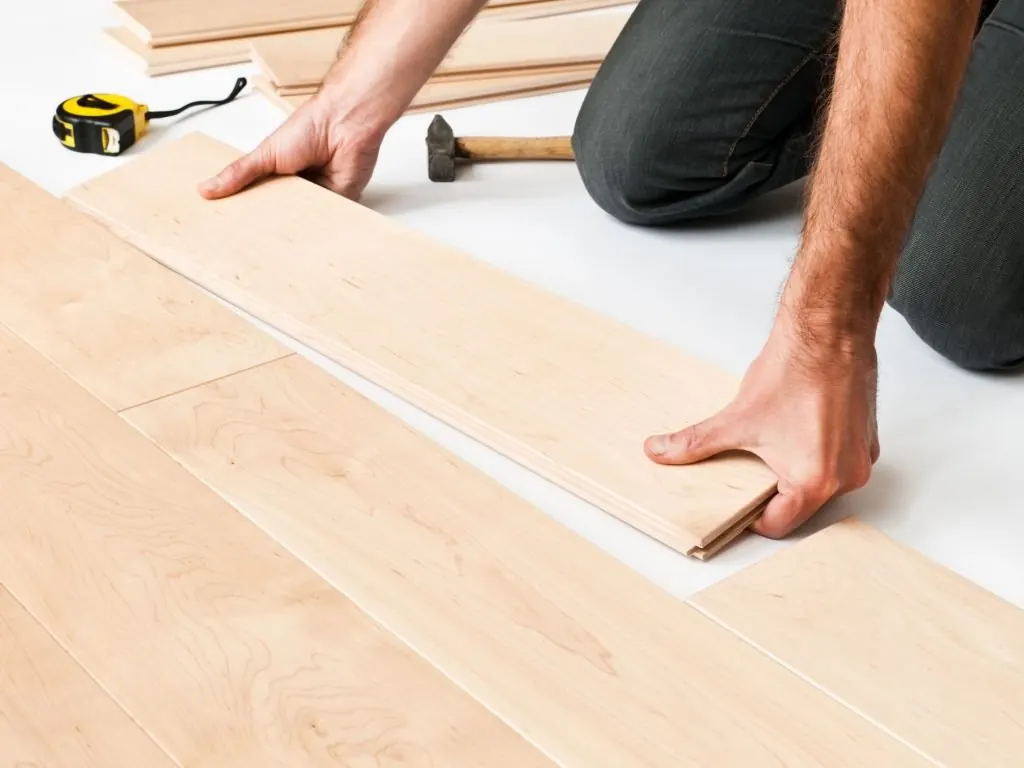
Click together planks go down quickly, often over existing flat floors.
Where laminate works, room by room
Living rooms and family rooms
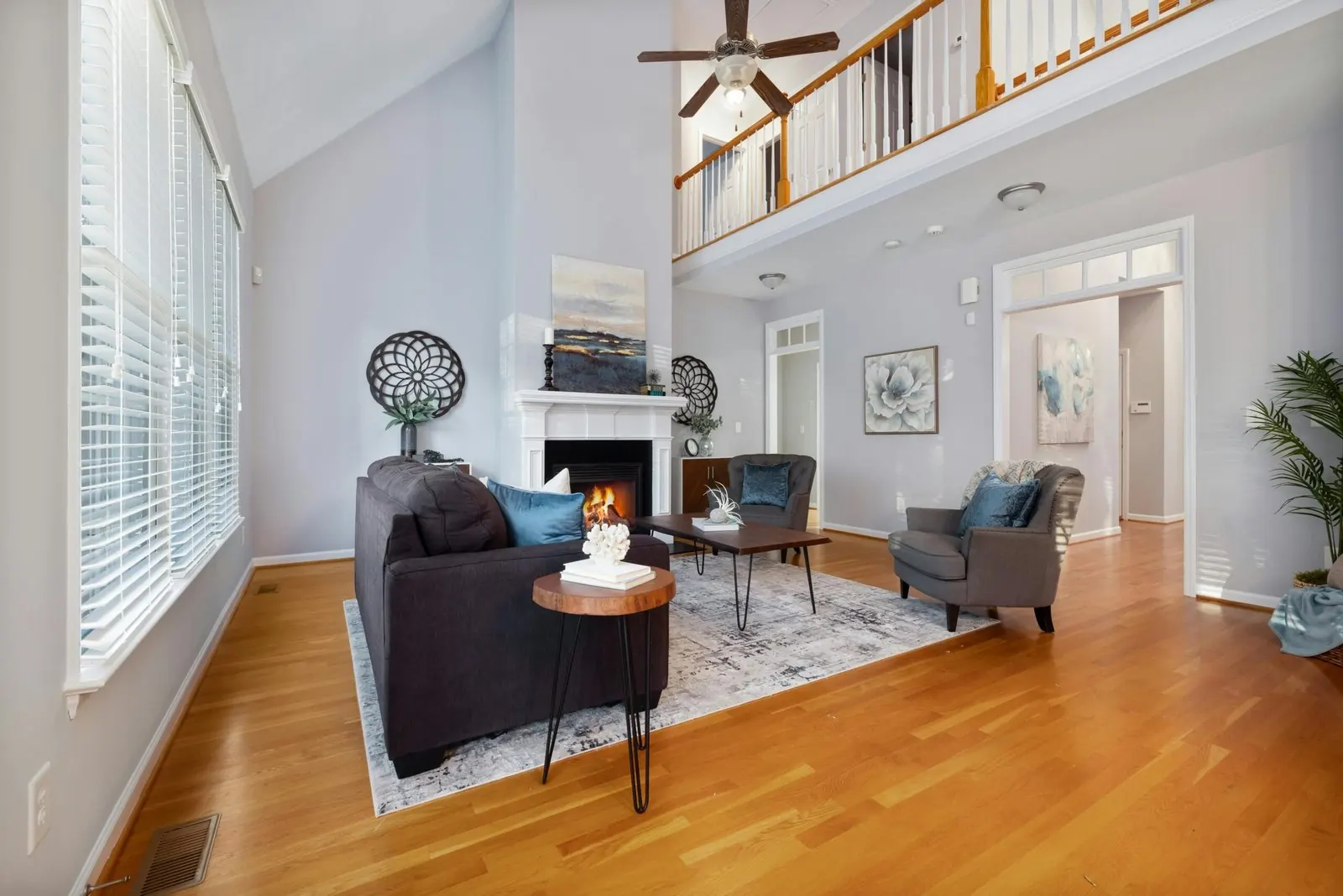
A great fit. Laminate handles foot traffic, furniture and pets well. Choose a longer plank and a realistic texture so the floor looks natural across a large space.
Bedrooms
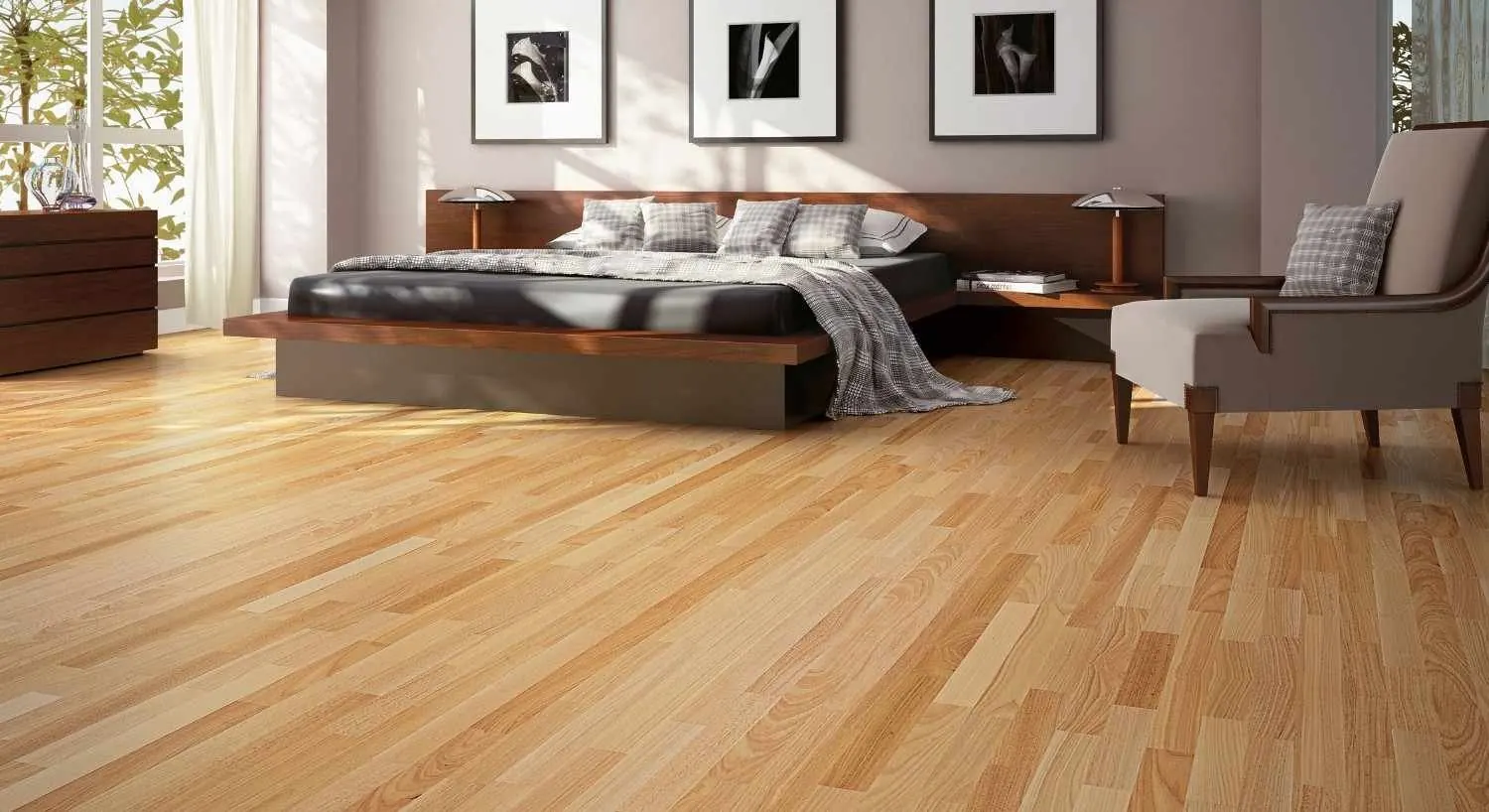
Excellent. Quiet, low traffic rooms are where laminate lasts the longest. A quality underlayment keeps footsteps soft.
Hallways and entries
Good, as long as you place mats at exterior doors to stop grit. Choose a higher abrasion class for the busiest paths.
Home offices
Very good. Laminate resists rolling chair wear better than many wood floors, though a chair mat is still wise.
Kitchens
Possible with care. Choose a water resistant laminate with sealed edges and wipe spills quickly. If your kitchen sees frequent splashes or you worry about dishwasher leaks, waterproof LVP may be safer.
Playrooms and game rooms
Ideal. Laminate shrugs off toys, crafts and roughhousing.
Rental properties
A popular choice for landlords because it is durable, affordable and easy to repair plank by plank.
Where to be careful or choose something else
- Full bathrooms. Standing water and humidity can swell the core. Use LVP or tile.
- Laundry rooms. Washer leaks are a risk. LVP is the safer choice.
- Basements and damp slabs. Use a moisture barrier, or choose LVP.
- Stairs. Laminate can be used with special stair nosing, but it takes extra care to install safely.
Choosing the right laminate flooring
Look at the abrasion class, thickness, water resistance, texture and underlayment. Our guide to high quality laminate explains each in detail.
Professional laminate floor installation
A professional checks the subfloor for flatness and moisture, installs a proper underlayment, leaves expansion space at every wall and finishes with clean trim and transitions. Those steps prevent the peaking, gaps and hollow sounds that come from a rushed install.
Caring for your laminate floors
- Sweep or vacuum regularly
- Damp mop with a well wrung pad and laminate cleaner
- Never wet mop or steam clean
- Use felt pads and entry mats
Upgrade your home with laminate floors
Used in the right rooms, laminate offers a beautiful look at a friendly price. Reliable Hardwood Floors installs laminate across Houston with the same care we give hardwood. Learn more on our laminate floors page.