Laminate blends style, durability and affordability, but so do other floors in different ways. This side by side comparison helps you choose.
What are laminate floors?
Laminate floors are layered planks with a fiberboard core, a realistic printed design and a hard, clear wear layer. They are known for scratch resistance, easy care and a friendly price. To decide whether laminate is right for you, it helps to compare it directly with the other floors you are probably considering.
Benefits of laminate flooring
1. An affordable alternative to hardwood
Laminate typically costs less than hardwood and engineered wood, both in materials and installation.
2. Exceptional durability
Its wear layer handles scratches, scuffs and fading very well.
3. A wide variety of styles
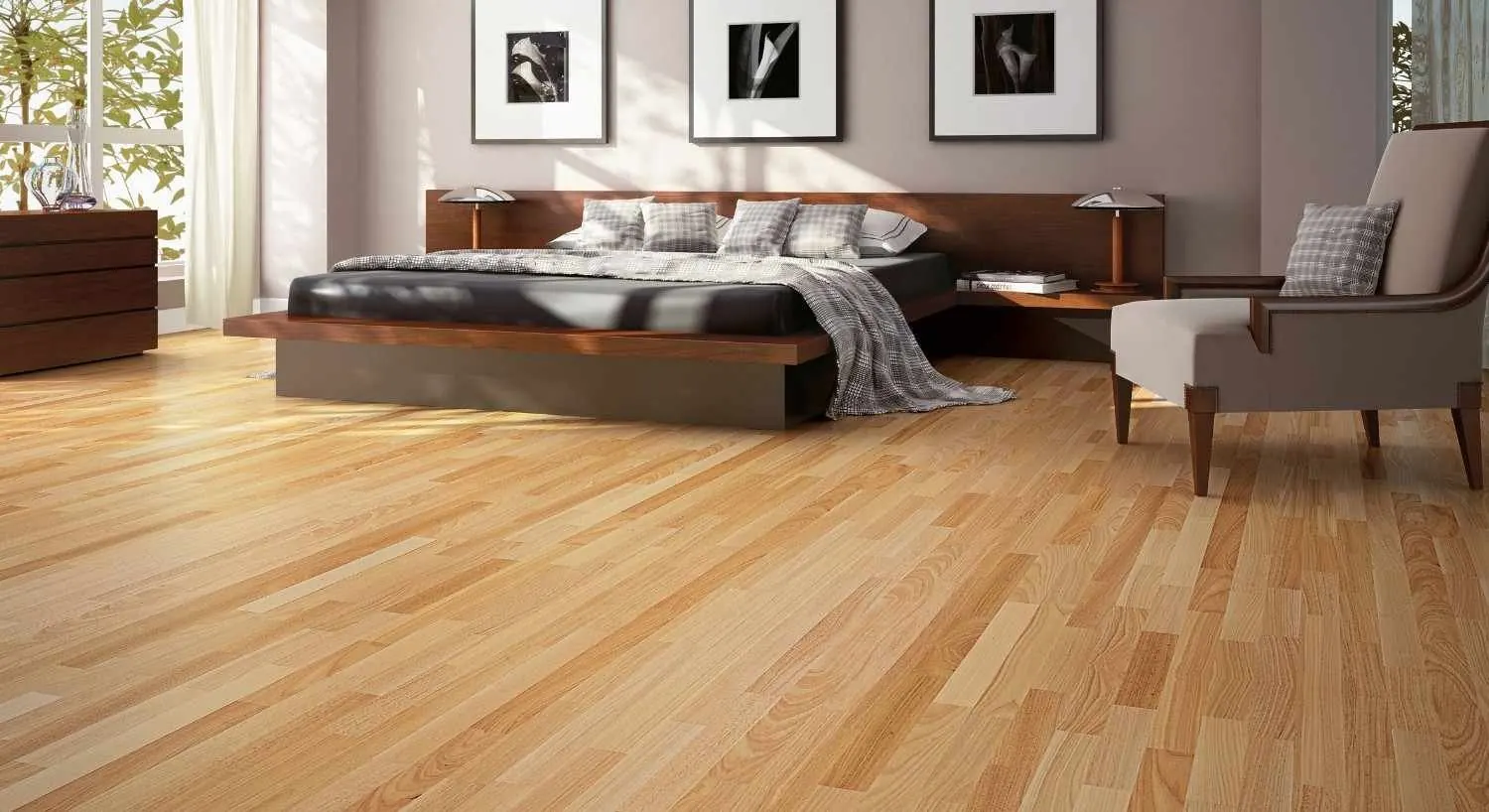
Wood looks in every color and texture, and some stone looks too.
4. Easy installation
Floating click together planks install quickly over many existing floors.
5. Low maintenance
Sweeping and damp mopping are enough.
6. Resistant to fading and stains
Sunny rooms and everyday spills are less of a worry than with many other floors.
Laminate compared with hardwood
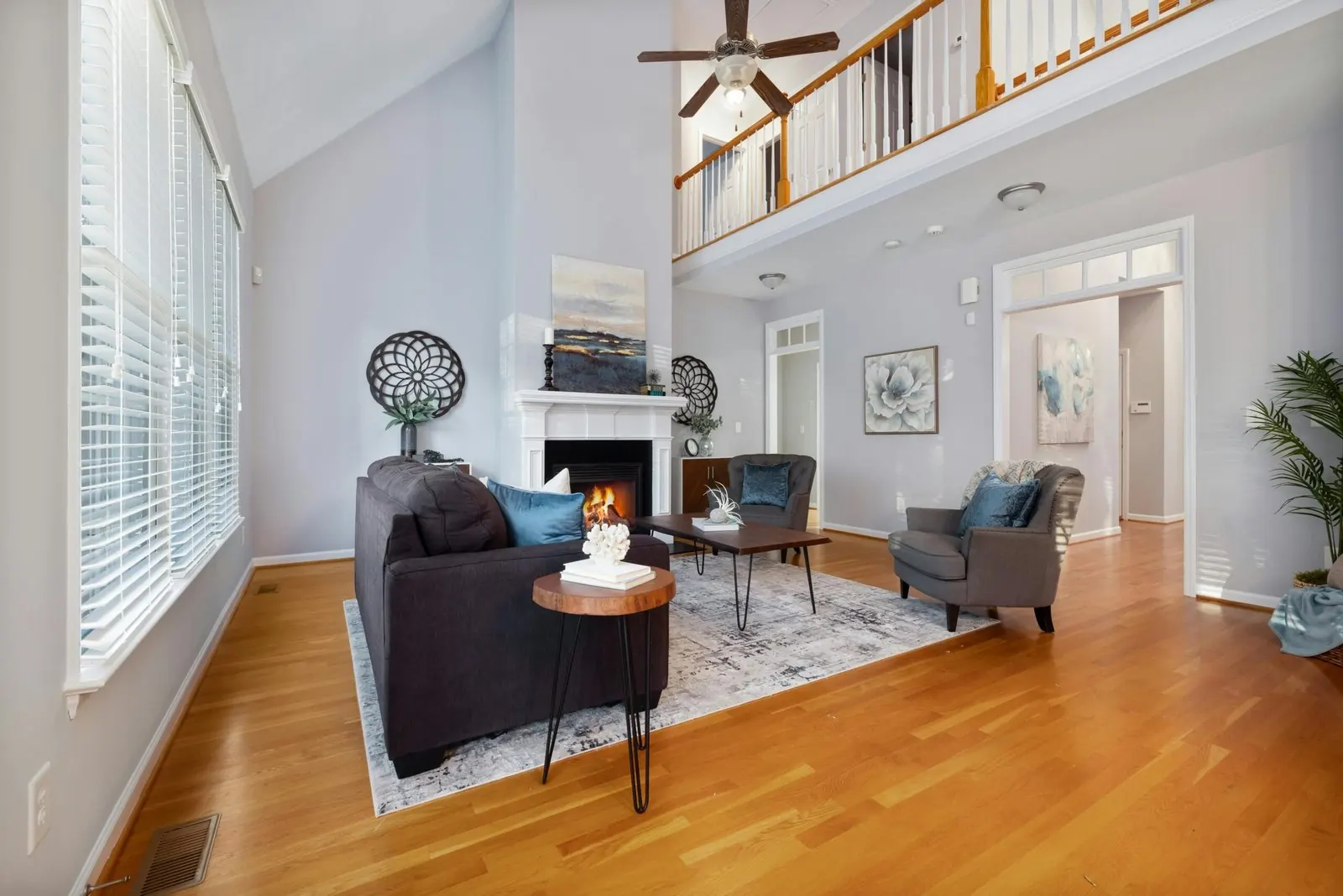
Hardwood is real wood that can be sanded and refinished many times, and it adds strong resale appeal. Laminate resists scratches better and costs less, but it cannot be refinished. Choose hardwood for living and dining rooms where long term value matters most. Choose laminate where traffic, pets and budget are the bigger concerns. See our new hardwood floors page to compare.
Laminate compared with luxury vinyl plank
Luxury vinyl plank is fully waterproof and slightly softer underfoot. Laminate usually has a more realistic texture, a harder scratch resistant surface and feels more solid. Choose LVP for bathrooms, laundry rooms and areas prone to water. Choose laminate for bedrooms, living areas and offices where you want a more wood like feel. Learn more about LVT and LVP.
Laminate compared with tile
Tile is extremely durable and waterproof, but it is hard, cold and loud underfoot, and grout needs cleaning. Laminate is warmer, quieter and quicker to install. Tile makes sense in wet areas. Laminate makes sense where comfort matters.
Where can laminate flooring be installed?
- Living rooms and family rooms
- Bedrooms and guest rooms
- Hallways and entries with mats
- Home offices
- Kitchens with a water resistant product and quick cleanup
- Playrooms and game rooms
The laminate floor installation process
Initial assessment
The installer checks flatness, moisture and the existing floor, and measures each room.
Acclimation
Planks rest in the room under normal conditions as the manufacturer directs.
Underlayment installation
A pad is laid, with a moisture barrier over concrete.
Plank installation
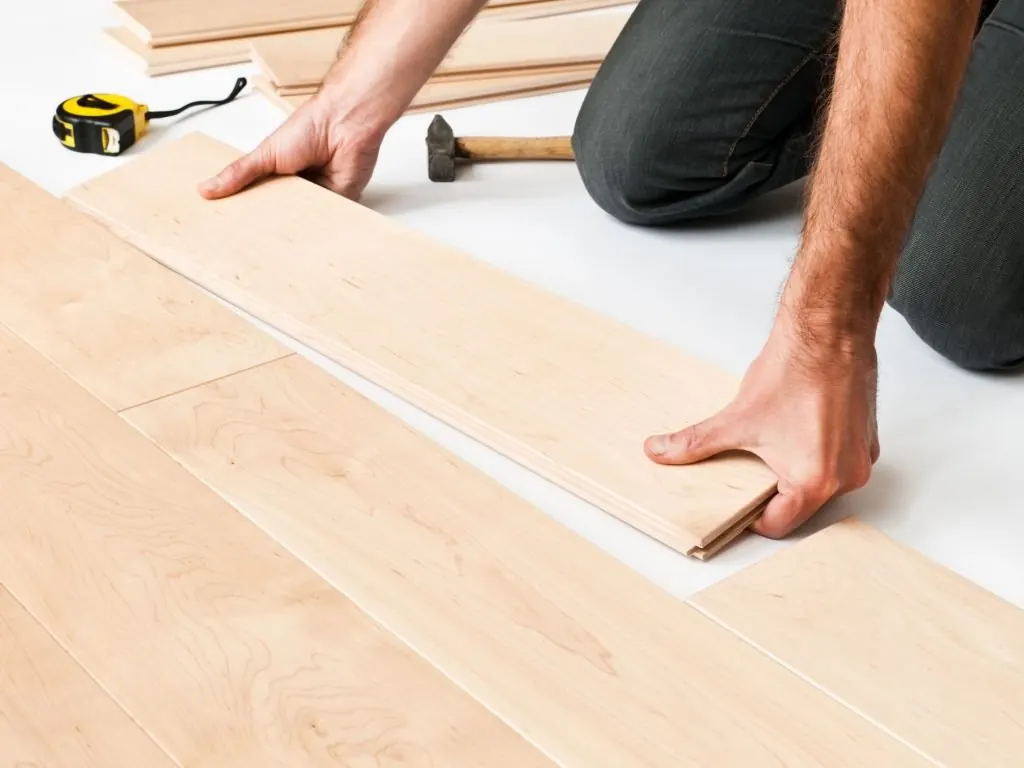
Planks are clicked together row by row with staggered joints and expansion gaps at the walls.
Finishing
Baseboards, quarter round and transitions complete the job.
Caring for laminate floors
Sweep often, damp mop with a well wrung pad and never steam mop. Use mats and felt pads. Our guide on how to clean laminate floors covers it in detail.
Conclusion
Laminate offers a rare blend of style, durability and affordability. Comparing it honestly with hardwood, vinyl and tile helps you put each floor in the room where it performs best. Reliable Hardwood Floors installs all of them across Houston. Visit our laminate floors page for more.