Two laminate floors can look identical in the store and last very different lengths of time. These specs tell you which is which.
Why choose high quality laminate flooring?
1. Affordability
Even premium laminate usually costs less than hardwood, so stepping up in quality is often a small price difference for a big performance gain.
2. Durability and longevity
Better wear layers and denser cores resist scratches, dents and swelling for many more years.
3. Easy installation
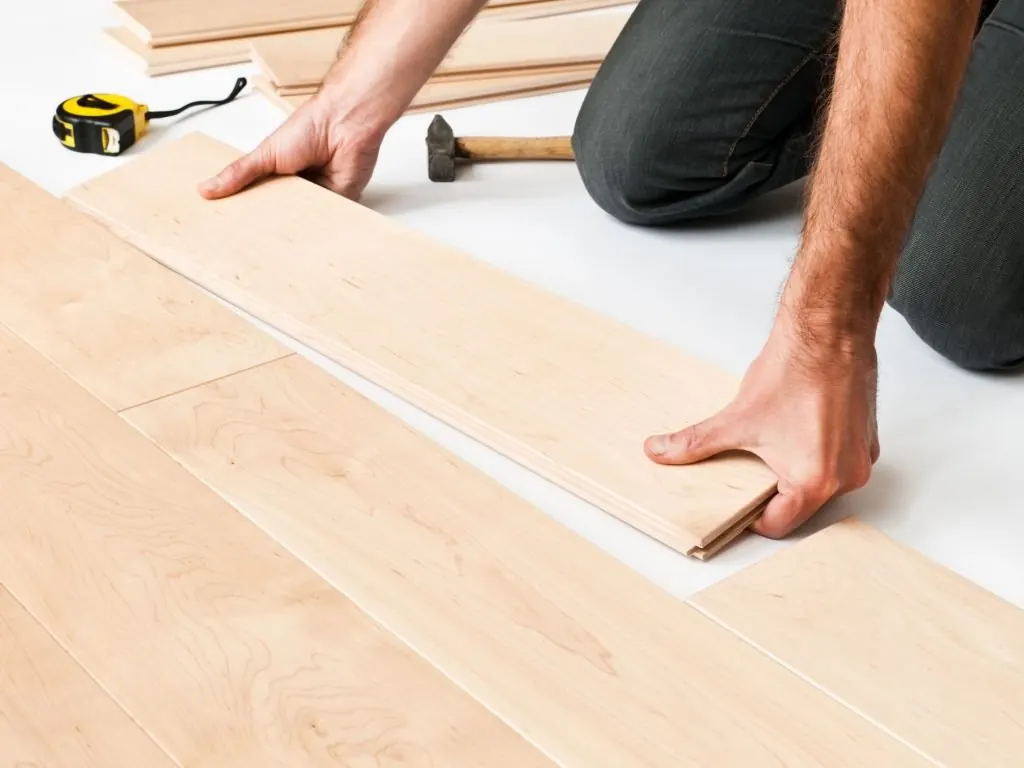
Quality locking systems click together tightly and stay locked, which reduces gaps over time.
4. Variety of designs and styles
Higher end products offer more realistic textures, longer planks and fewer repeating patterns.
5. Low maintenance
A tough wear layer means regular sweeping and damp mopping are all it needs.
6. Moisture resistance
Premium laminates often have sealed edges and water repellent cores that hold up to spills for hours.
7. Environmentally conscious options
Many quality products use recycled wood fiber and carry certifications for low emissions.
Key considerations when choosing high quality laminate flooring
1. AC rating
The abrasion class measures wear resistance on a scale from AC1 to AC5.
- AC3 suits most residential rooms, including living areas.
- AC4 handles heavy residential use and light commercial spaces, a good pick for pets.
- AC5 is built for heavy commercial traffic.
2. Thickness
Laminate usually ranges from about 7 to 12 millimeters. Thicker planks feel more solid, sound more like wood and bridge small subfloor imperfections. Thickness alone does not make a plank more scratch resistant, though. That is the job of the wear layer.
3. Core density
A high density fiberboard core resists dents and swelling better than lower density cores. Quality manufacturers often highlight core density or water resistance testing.
4. Water resistance
Look for terms like sealed edges, water repellent core or a stated number of hours of spill protection. Remember that water resistant is not waterproof.
5. Underlayment
Some planks have a pad attached. Others need a separate underlayment. A good underlayment reduces hollow sound, adds comfort and, on concrete, should include a moisture barrier.
6. Warranty
Residential warranties range widely. Read the fine print about installation requirements, moisture conditions and approved cleaners.
7. Style and design
Look for embossed in register texture, where the surface texture follows the printed grain. Check how many unique plank patterns the product has. More patterns mean fewer obvious repeats.
8. Edges and bevels
Beveled edges give each plank definition like real hardwood. Square edges create a smoother, more continuous look.
Signs of a lower quality laminate
- Very few plank patterns, so repeats are obvious
- A shiny, plastic looking surface
- Loose or flimsy locking joints
- Edges that chip easily when cut
- Little or no information on AC rating or water resistance
Installation still matters
Even the best laminate fails over a bad subfloor or without expansion gaps. Professional installation protects your investment and often your warranty.
Conclusion
Reading a few key specs helps you choose a laminate floor that looks good and lasts. Reliable Hardwood Floors helps Houston homeowners compare products and installs them with care. Visit our laminate floors page or read about laminate repairs.