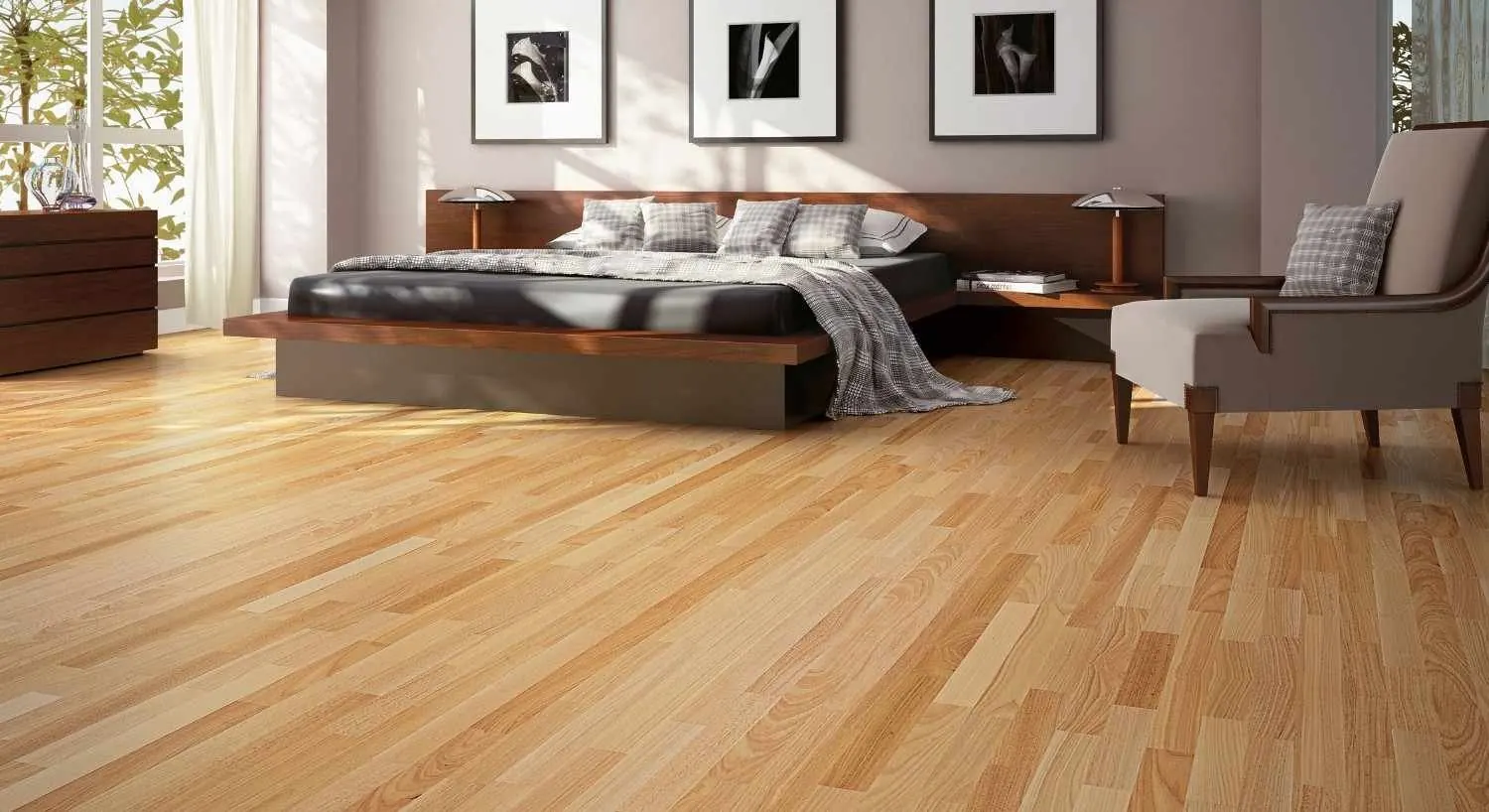
Laminate is already a budget friendly floor. These tips help you stretch your money further without ending up with a floor you regret.
What is laminate flooring?
Laminate is a layered floor made of a fiberboard core, a printed design layer and a clear protective wear layer. It looks like wood or stone, resists scratches and costs less than real hardwood. That combination makes it one of the most popular floors for families watching their budget.
Why laminate is a smart budget choice
Cost effective
Laminate generally costs less than hardwood, engineered wood and many tile options, both to buy and to install.
Stylish designs
Today's products offer realistic wood looks in every color from pale oak to deep walnut.
Durable and long lasting
A good laminate floor can last many years in a typical home.
Quick installation
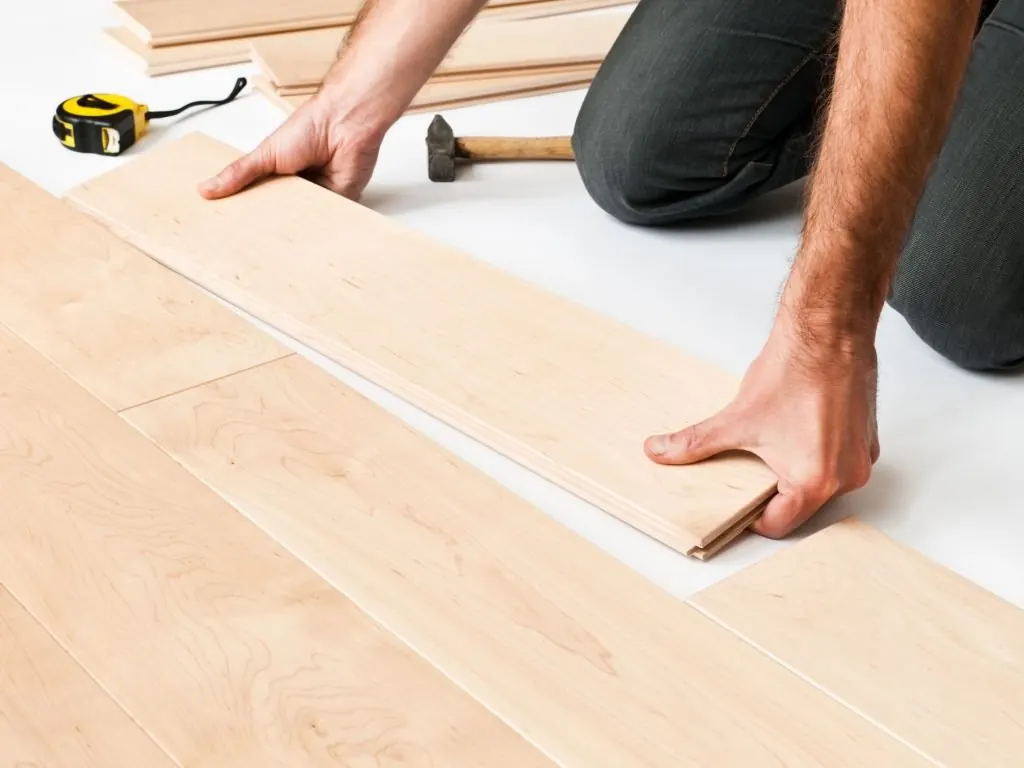
Click together planks go down faster than most other floors, which keeps labor costs reasonable.
Low maintenance
No refinishing, no waxing and simple cleaning.
What drives the cost of laminate
- Abrasion class. Higher AC ratings cost more but last longer in busy homes.
- Thickness. Thicker planks feel more solid and cost more.
- Water resistance. Sealed edges and water repellent cores add to the price.
- Visual quality. Better printing, textures and longer planks cost more.
- Underlayment. Attached or premium pads add cost and comfort.
- Subfloor prep. Leveling a slab or repairing plywood adds labor.
- Removal. Taking out tile costs more than pulling up carpet.
Where you can save
Choose a mid range thickness
For most rooms, a mid thickness plank with a good underlayment performs well. You do not always need the thickest product on the shelf.
Match the AC rating to the room
Bedrooms and offices do not need the same rating as a busy hallway. Use a higher rating where traffic is heavy and a standard rating elsewhere.
Keep layouts simple
Straight lay installations use less material and labor than diagonal layouts.
Combine projects
Doing several rooms at once usually lowers the cost per square foot compared with one room at a time.
Where not to cut corners
Subfloor preparation
Laminate is unforgiving of dips and humps. A floor installed over an uneven subfloor will flex, click and eventually separate at the joints.
Underlayment
A cheap pad makes laminate sound hollow and feel thin. A quality underlayment, with a moisture barrier on slabs, makes an affordable floor feel expensive.
Installation quality
Proper expansion gaps, staggered joints and clean transitions prevent the most common laminate failures.
Water resistance in kitchens
If laminate is going in a kitchen, spend a little more on a product with strong water resistance.
Laminate compared with hardwood
Hardwood can be refinished and adds more resale value. Laminate costs less, resists scratches better and is easier to maintain. Many homes use both: hardwood in living and dining rooms, laminate in bedrooms and playrooms.
Tips for choosing the best laminate flooring
- Look at samples in your own light
- Choose a matte, textured surface for the most natural look
- Buy a spare box for future repairs
- Ask for a written estimate that includes prep and trim
Conclusion
Laminate gives you a lot of floor for your money when you save in the right places and invest where it counts. Reliable Hardwood Floors installs laminate across Houston. Visit our laminate floors page or read about laminate in busy households.