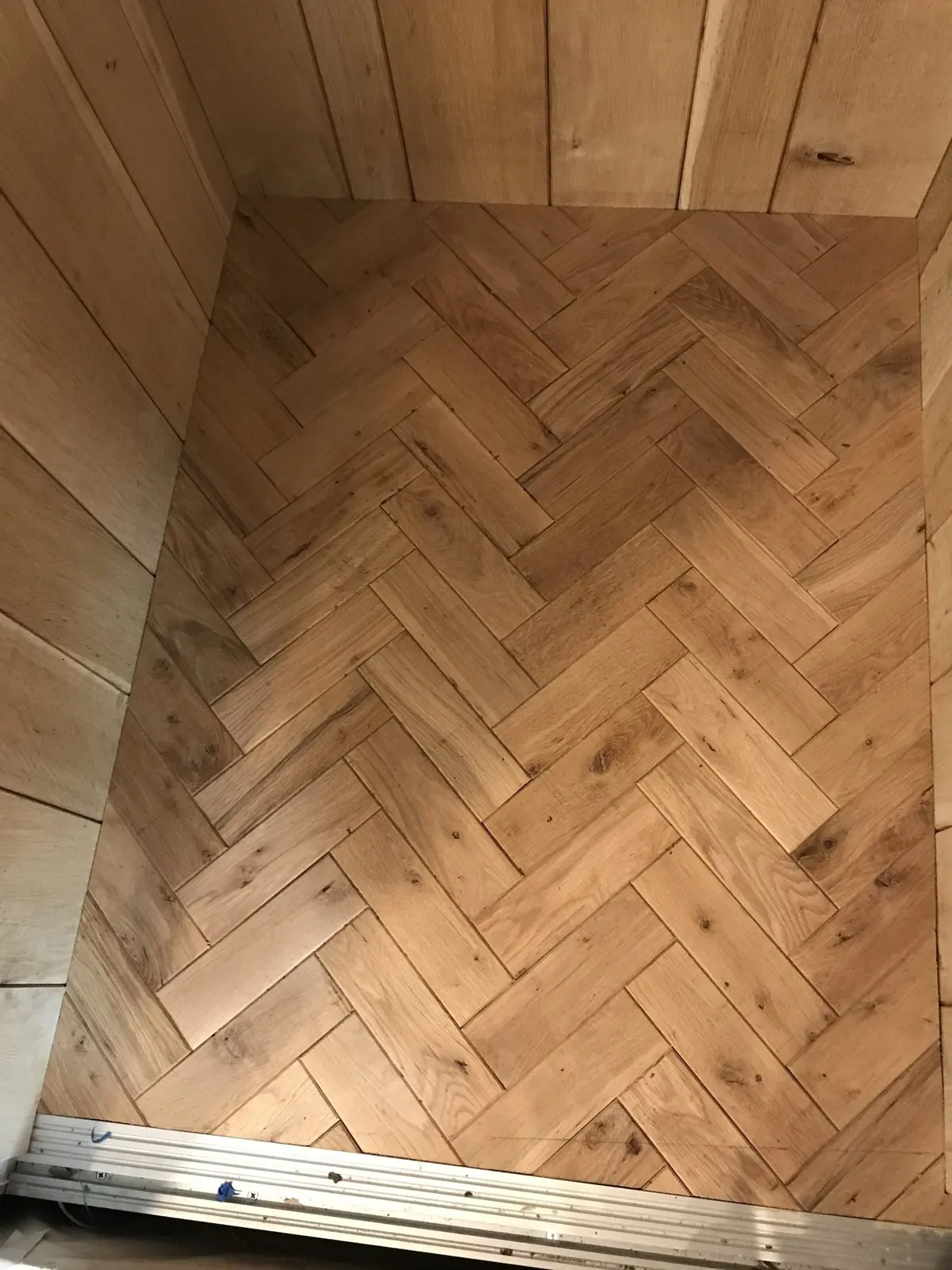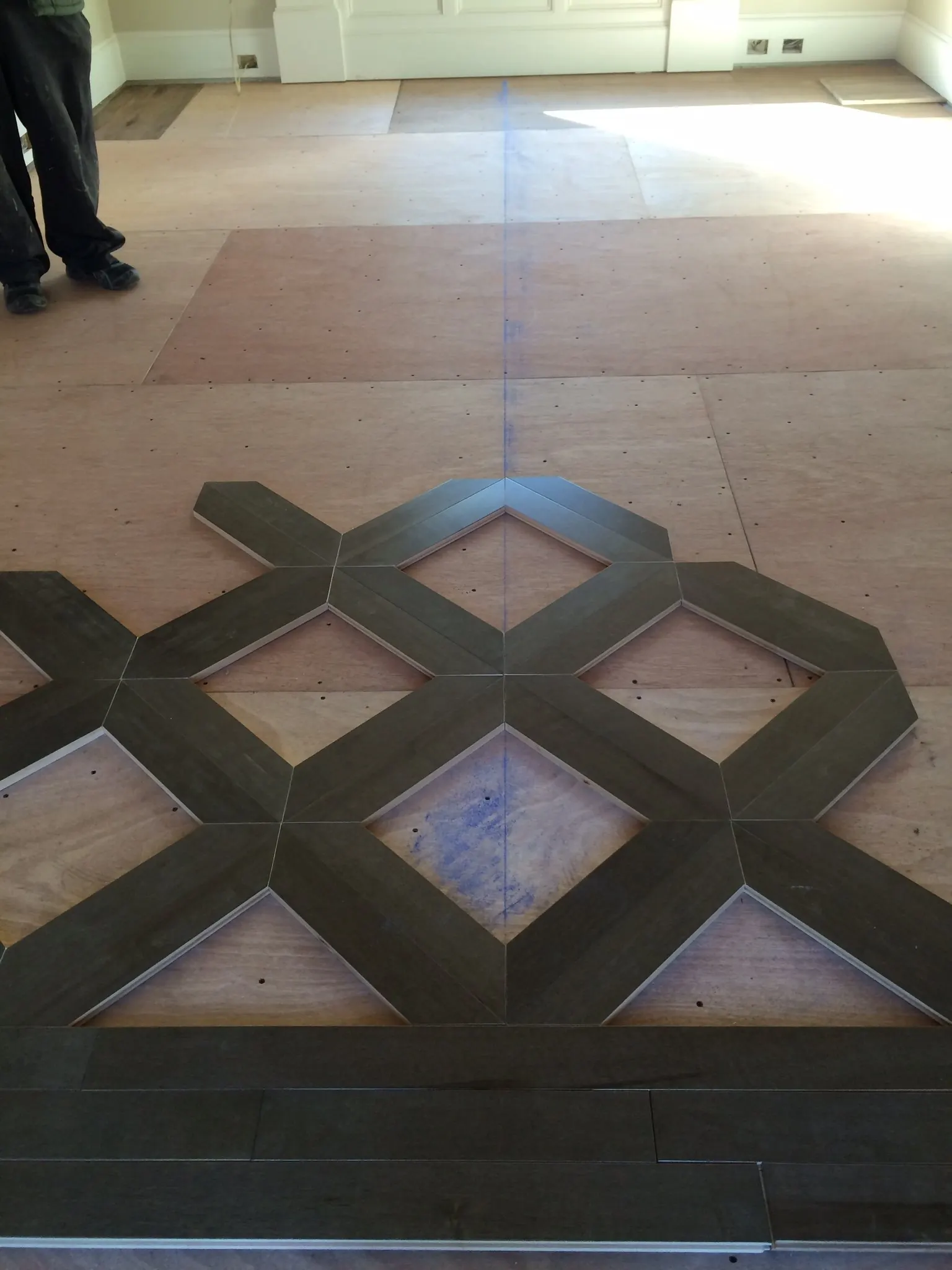
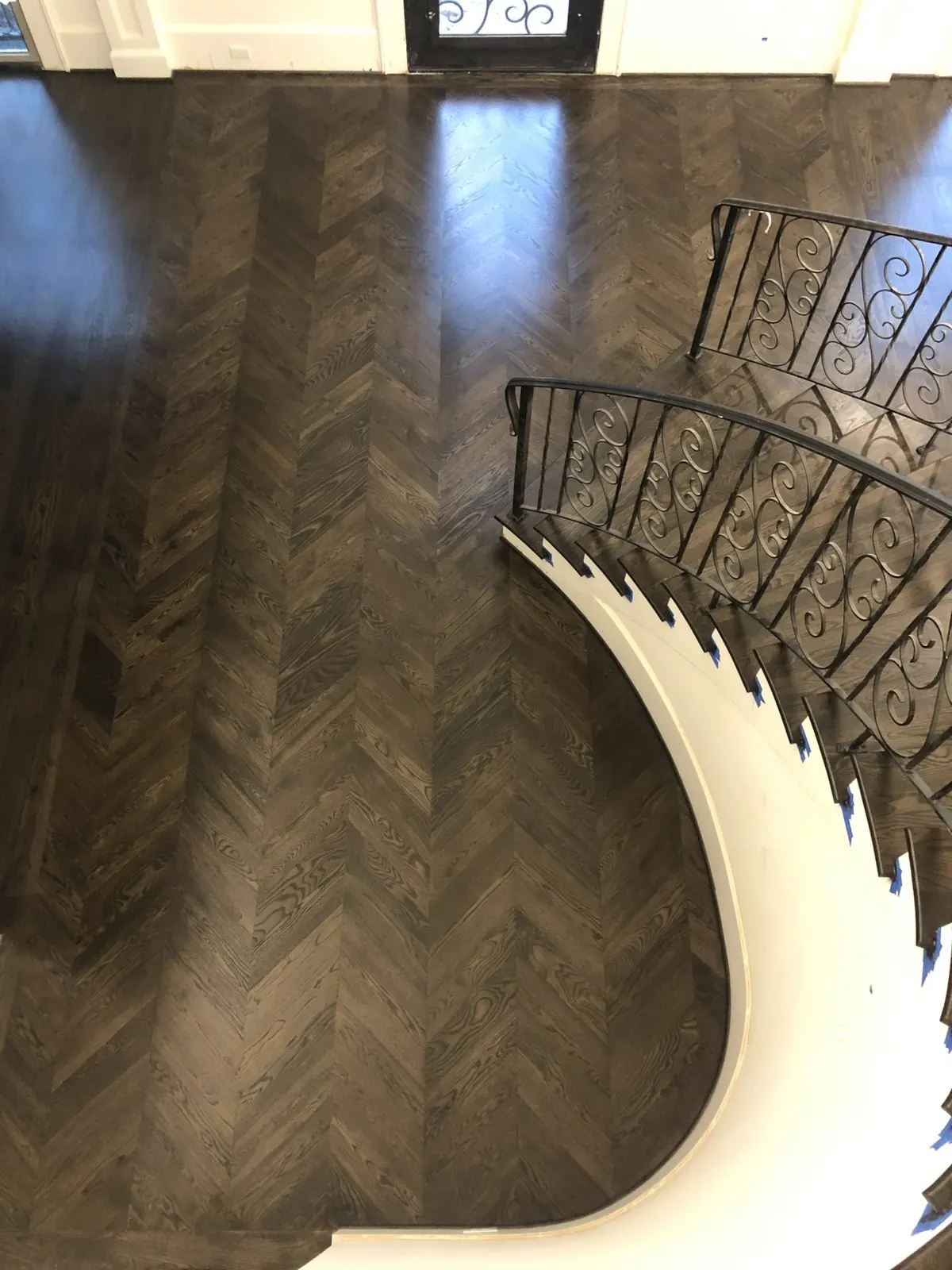
What does a full service hardwood company actually do? Here is the range of work, from picking the right floor to fixing the one you already have.
Benefits of hardwood flooring
1. Aesthetic appeal and timeless beauty
Wood brings warmth and natural variation to a room that few other materials can match, and it suits nearly every interior style.
2. Durability and longevity
A well installed hardwood floor can last for generations, especially solid hardwood that can be sanded and refinished several times.
3. Increases property value
Hardwood is one of the most requested features among home buyers and helps a listing stand out.
4. Easy maintenance and cleaning
Sweeping and damp mopping keep it clean. There are no fibers to trap dust or spills.
5. Better indoor air
Hard surfaces do not hold dust, pollen and pet dander the way carpet does, which many families with allergies appreciate.
Choosing the right hardwood flooring
1. Solid hardwood flooring
Milled from one piece of wood. Ideal over plywood subfloors and the best choice if you want the most refinishing potential.
2. Engineered hardwood flooring
Real wood on a layered core. More stable with humidity changes and well suited to concrete slabs. See our engineered wood floors page.
3. Bamboo flooring
Technically a grass, bamboo is hard and has a distinctive look. Quality varies widely between products, so choose carefully.
4. White oak hardwood flooring
The current favorite for natural and light tones. White oak has a tight grain, takes modern stains well and handles moisture a little better than red oak.
5. Water resistant wood products
Some engineered products now come with water resistant coatings and cores that handle spills for longer. They are still not waterproof, so for wet rooms we usually suggest LVT and LVP.
The hardwood flooring installation process
1. Initial consultation and measurement
A professional measures each room, checks the subfloor and moisture levels, and talks with you about how you use the space.
2. Material selection
You choose species, width, color, finish and pattern, ideally from samples viewed in your own home.
3. Acclimation
The flooring sits in your home so it can adjust to normal temperature and humidity.
4. Subfloor preparation
Old flooring is removed and the subfloor is cleaned, flattened and repaired. A moisture barrier or underlayment is installed if needed.
5. Installation
Boards are installed using the right method for your subfloor and product: nail down, glue down or floating.
6. Finishing touches
Baseboards, quarter round, transitions and stair nosing complete the job, followed by cleanup and a final walkthrough.
Common hardwood floor repairs
- Scratches and dents. Light marks can be touched up. Deeper ones may need board replacement or refinishing.
- Water damage. Cupped, buckled or stained boards need the moisture source fixed first, then repair or replacement.
- Squeaks and loose boards. Refastening from above or below quiets most squeaks.
- Gaps. Seasonal gaps are normal. Permanent ones can be filled or the boards replaced.
- Worn finish. A screen and recoat or a full refinish restores protection.
Why work with a full service company
Choosing, installing and repairing are connected. A company that does all three understands how a decision at the start affects the floor years later. Reliable Hardwood Floors has handled all of it across Houston for more than 25 years. Learn about our hardwood installation service or our Houston repair and maintenance service.