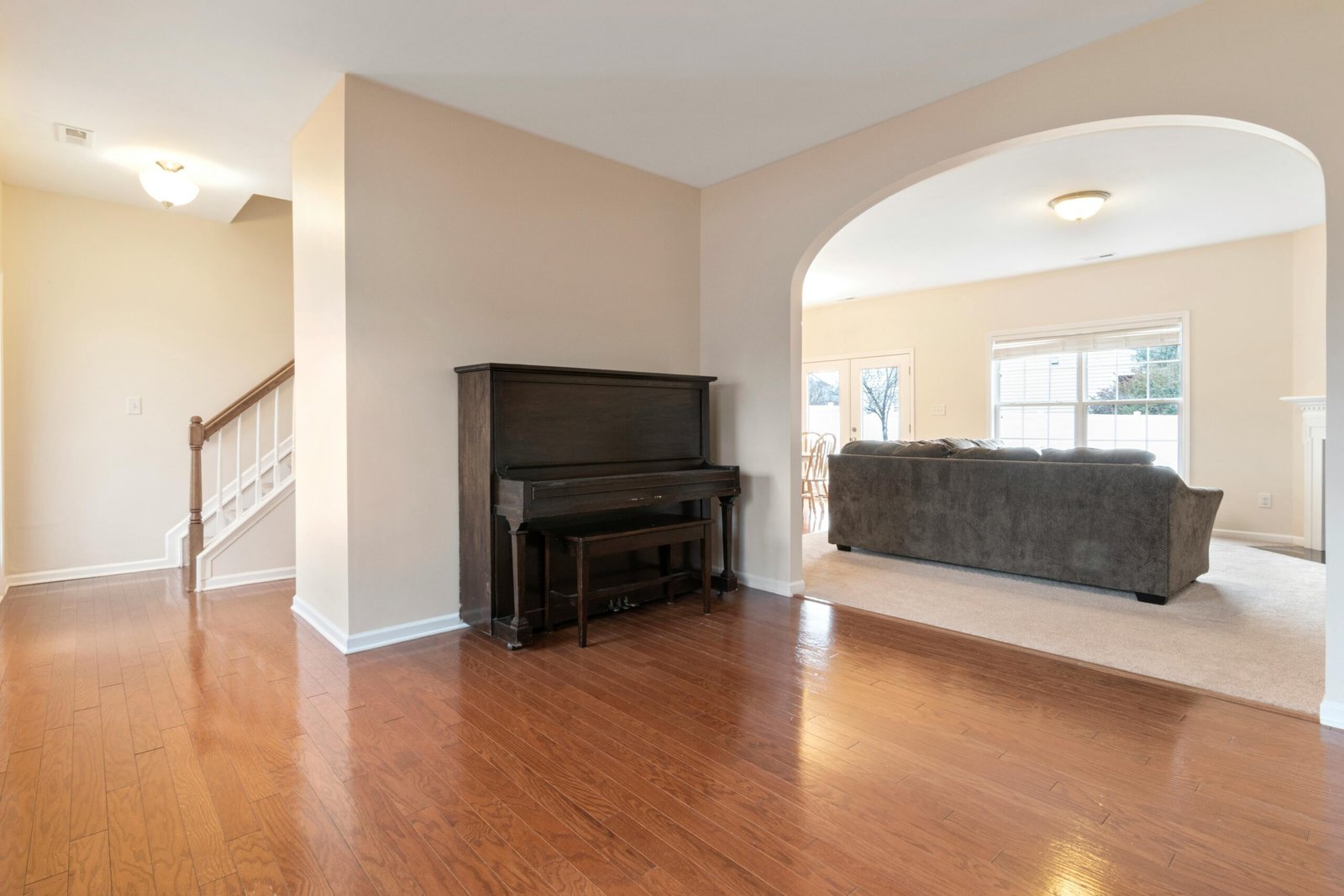
Hardwood floors have long been considered one of the most elegant and reliable flooring choices for homes and commercial spaces. Their natural beauty, durability, and ability to enhance property value make them a preferred option for homeowners around the world. Whether you are renovating your home or building a new one, hardwood flooring offers a perfect balance of style, strength, and long-term investment.
In this blog, we will explore everything you need to know about hardwood floors, including their benefits, types, maintenance tips, and why they continue to remain a top flooring choice.
What Are Hardwood Floors?
Hardwood floors are made from solid pieces of natural wood or engineered wood layers. They are known for their rich textures, natural grains, and warm appearance. Unlike synthetic flooring options, hardwood is sourced directly from trees such as oak, maple, walnut, cherry, and hickory.
There are two main types of hardwood flooring:
- Solid Hardwood: Made from a single piece of wood, offering long-lasting durability and the ability to be refinished multiple times.
- Engineered Hardwood: Composed of multiple layers of wood with a real hardwood surface, designed for better resistance to moisture and temperature changes.
Both options provide beauty and functionality, but the choice depends on your budget, climate, and installation area.
Benefits of Hardwood Floors
1. Timeless Aesthetic Appeal
One of the biggest advantages of hardwood flooring is its natural beauty. Each plank has unique grain patterns and colors, giving your space a warm and luxurious feel. Whether your home style is modern, traditional, or rustic, hardwood floors blend seamlessly with any interior design.
2. Long-Lasting Durability
Hardwood floors are incredibly durable and can last for decades when properly maintained. Unlike carpets or laminate, hardwood does not wear out quickly. It can withstand heavy foot traffic, making it ideal for living rooms, hallways, and even commercial spaces.
3. Increases Property Value
Homes with hardwood flooring often have higher resale value. Buyers are willing to pay more for homes that already feature quality flooring. It is considered a long-term investment that pays off in the future.
4. Easy to Clean and Maintain
Unlike carpets that trap dust, dirt, and allergens, hardwood floors are easy to clean. Regular sweeping and occasional mopping are usually enough to keep them looking new. This makes them a healthier choice, especially for families with allergies.
5. Eco-Friendly Option
Many hardwood floors are made from sustainable sources. Additionally, because they last so long, they reduce the need for frequent replacements, making them an environmentally responsible flooring option.
Popular Types of Hardwood Used in Flooring
Different wood species offer different looks and performance levels. Some popular choices include:
Oak
Oak is one of the most commonly used hardwood flooring materials. It is strong, durable, and has a classic grain pattern that fits almost any home style.
Maple
Maple offers a smooth, light appearance with subtle grain patterns. It is slightly harder than oak, making it highly resistant to wear and tear.
Walnut
Walnut is known for its rich, dark color and luxurious appearance. It is often used in premium interiors for a sophisticated look.
Cherry
Cherry wood has a reddish tone that deepens over time, adding character and warmth to any space.
Hickory
Hickory is one of the hardest domestic woods, making it extremely durable and perfect for high-traffic areas.
Installation Options for Hardwood Floors
Proper installation plays a key role in the performance and lifespan of hardwood flooring. Common installation methods include:
- Nail-Down Installation: Mostly used for solid hardwood over wooden subfloors.
- Glue-Down Installation: Ideal for engineered hardwood and concrete subfloors.
- Floating Installation: The planks are not attached to the subfloor but interlock together, making installation quicker and easier.
Choosing the right method depends on your home structure and flooring type.
Maintenance Tips for Hardwood Floors
To keep hardwood floors looking beautiful for years, proper maintenance is essential:
- Sweep or vacuum regularly to remove dust and debris
- Clean spills immediately to prevent water damage
- Use protective pads under furniture legs
- Avoid harsh cleaning chemicals
- Refinish floors every few years if needed
With the right care, hardwood floors can maintain their shine and strength for generations.
Common Mistakes to Avoid
Many homeowners damage their hardwood floors due to simple mistakes such as:
- Using excessive water during cleaning
- Dragging heavy furniture without protection
- Ignoring scratches and minor damage
- Not controlling indoor humidity levels
Avoiding these mistakes will help extend the life of your flooring.
Why Hardwood Floors Are Worth the Investment
While hardwood flooring may have a higher initial cost compared to other flooring options, its long-term benefits outweigh the expense. It adds elegance, improves home value, and provides unmatched durability. Additionally, it creates a warm and inviting atmosphere that few other materials can replicate.
Whether you are renovating a single room or your entire home, hardwood flooring is a decision that combines practicality with timeless design.
Conclusion
Hardwood floors remain one of the most popular flooring choices for good reason. Their natural beauty, strength, and long-lasting performance make them an ideal option for any space. With proper installation and maintenance, they can last for decades while continuing to enhance the look and value of your home.
If you are planning a flooring upgrade, hardwood is not just a style choice—it is a long-term investment in quality, comfort, and elegance.