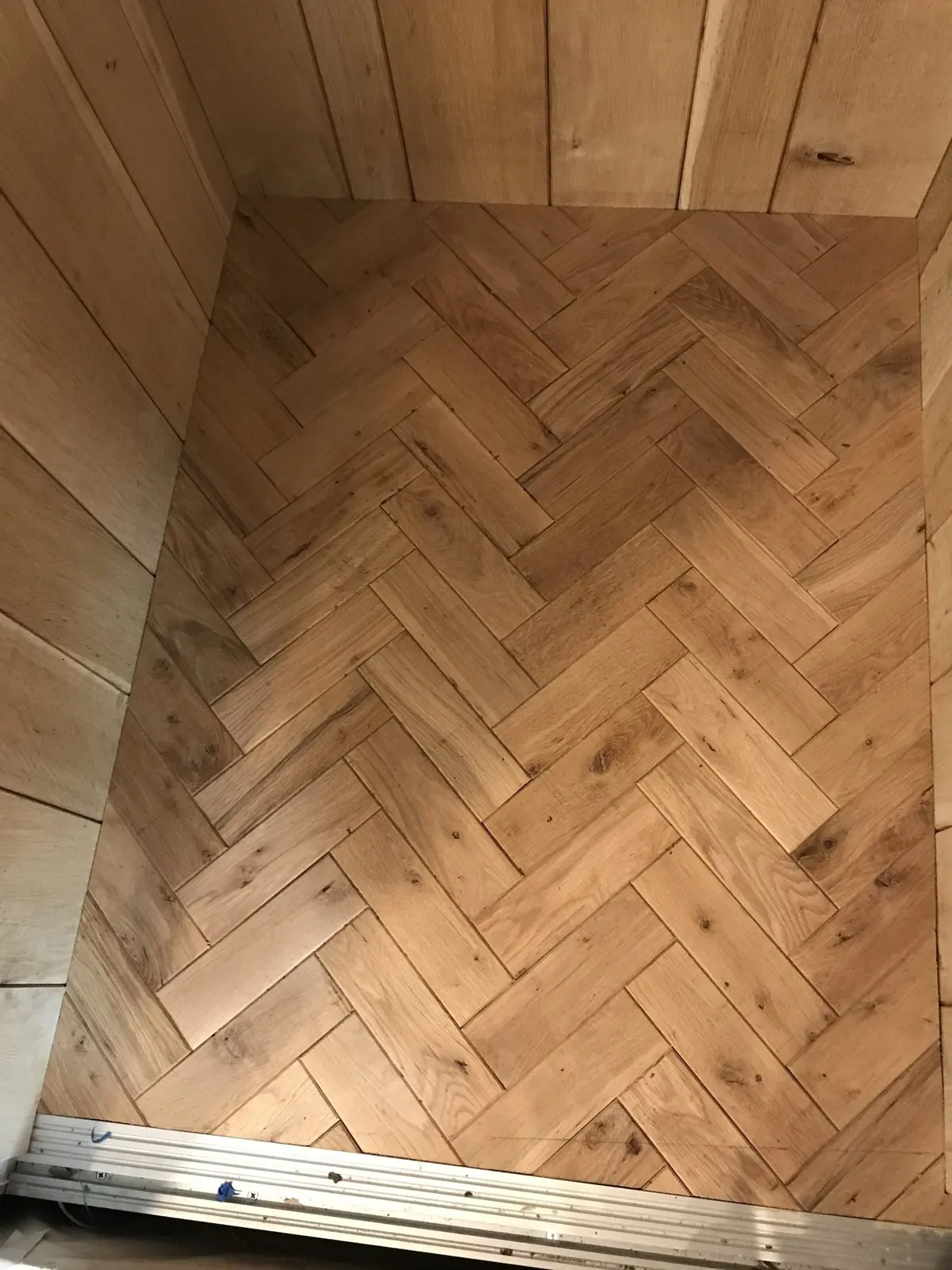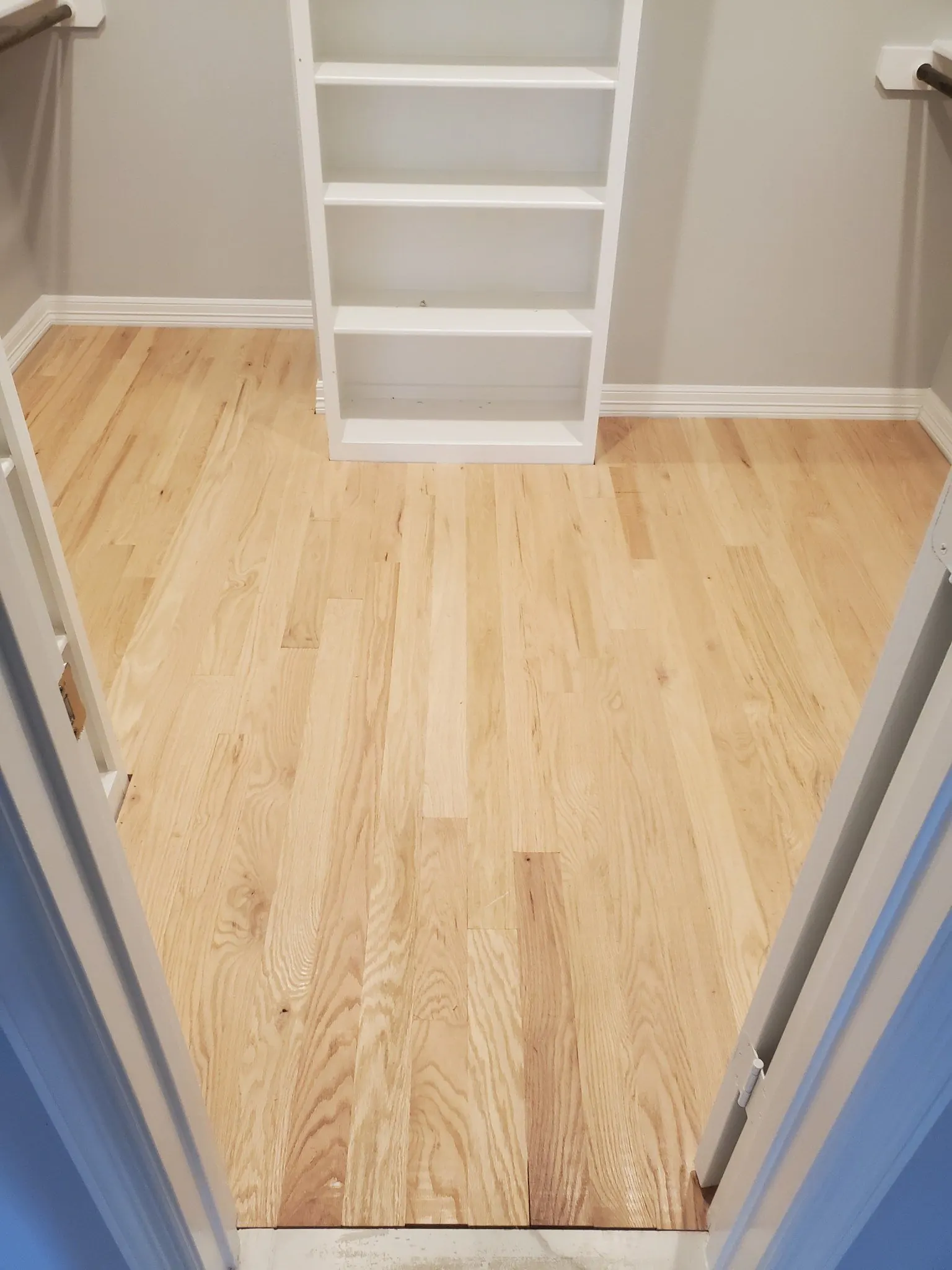
A well cared for hardwood floor can outlast the house it is in. Here is what happens over its life, and when it needs a hand.
Stage one: installation
Everything about a floor's future starts here. A good installation sets the floor up for decades. A rushed one shows its problems within the first year.
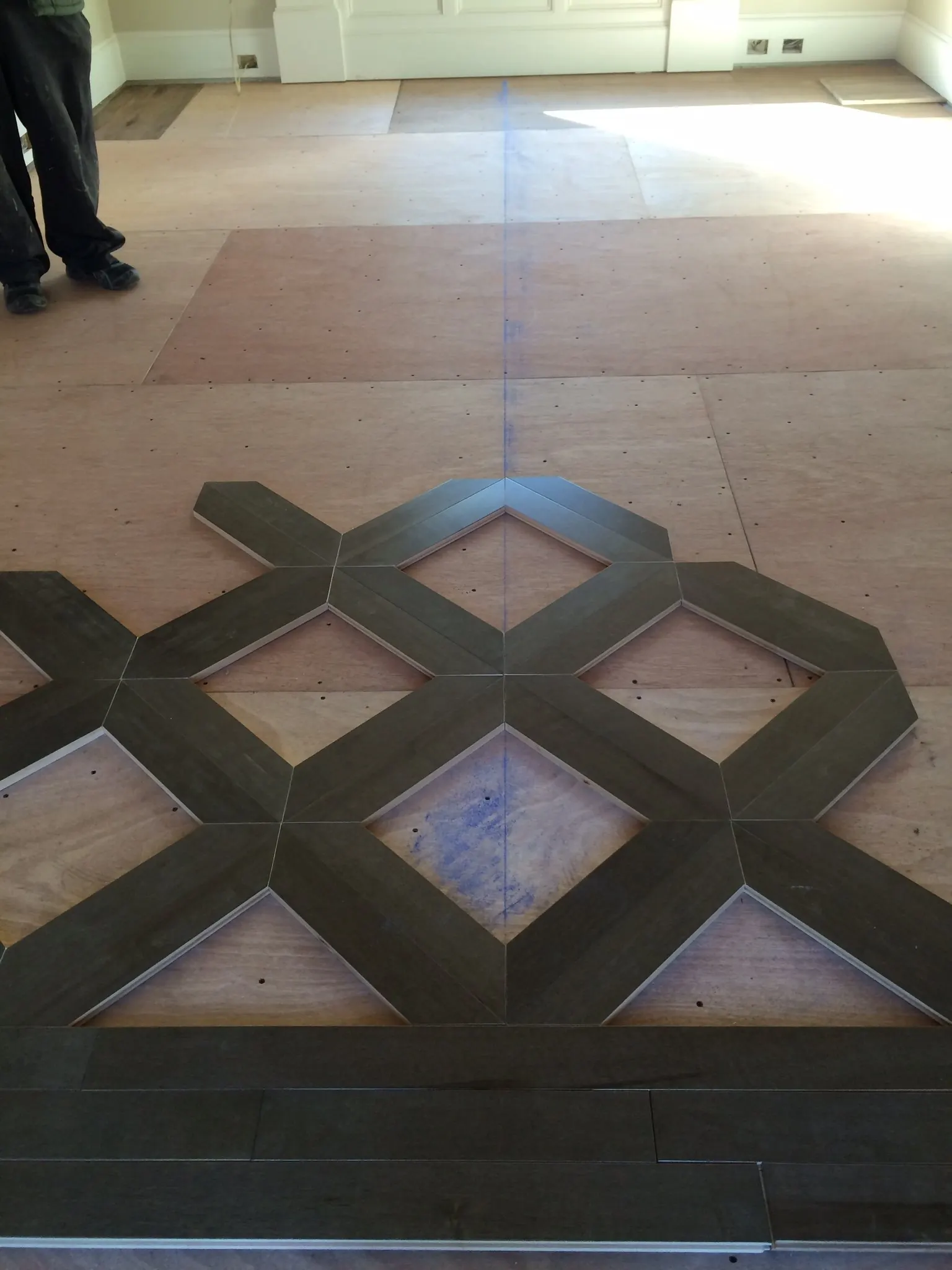
Finalize the starting point
Installers snap a straight reference line, usually along the longest wall or main sight line, rather than trusting a wall that may not be straight. Every row that follows depends on that first line.
Lay the first row of boards
The first rows are face nailed or glued carefully and checked for straightness, with expansion space left at the wall. This is slow, deliberate work.
Use a stapler or nail gun
For nail down floors, a flooring nailer drives fasteners through the tongue of each board at an angle, hiding them as the next board slides into place. Fastener spacing follows the manufacturer's specifications.
Cut the planks to fit irregular spaces
Doorways, closets, hearths and cabinets all need careful cuts. Door casings are undercut so boards slide underneath for a clean look.
Final inspection and cleaning
Trim and transitions go on, the floor is cleaned, and the installer walks every room to check for gaps, loose boards and finish defects.
Before any of that, though, come two steps that matter just as much: moisture testing of the wood and subfloor, and giving the wood time to acclimate to the home. Our hardwood installation page covers them in detail.
Stage two: the early years
In the first year, a floor goes through its first full cycle of seasons. In Houston that means a humid summer and drier, heated winter days. Thin gaps that open in winter and close in summer are normal. Keeping indoor humidity steady with the air conditioning minimizes them.
This is also when habits form. Felt pads, entry mats, trimmed pet nails and the right cleaner keep the finish healthy from the start.
Stage three: maintenance recoats
After a few years, traffic lanes start to look dull. The wood is fine, but the finish is wearing. This is the moment for a screen and recoat, a light abrasion of the existing finish followed by a fresh coat or two. It takes a day or two and keeps the wood protected. Repeating it every three to five years can push off a full sand for many years.
Stage four: hardwood floor refinishing
Eventually, a floor needs a full refinish. Maybe the finish wore through somewhere, maybe there was water damage, or maybe you just want a new color.
Clear the room and make repairs
Furniture comes out, the room is protected and damaged boards are replaced.
Start the sanding process
The floor is sanded through several grits to bare wood, with edges and corners done separately.
Clean using a vacuum
Every speck of dust is removed so it does not end up trapped in the finish.
Apply and cure the protective finish
Stain, if desired, then sealer and finish coats go on. The floor needs a few days before furniture returns and longer before rugs go down.
Stage five: the long haul
Solid hardwood can be sanded several times over its life, which is why hardwood floors in old homes are often older than the people living there. With good care, a floor can cycle through recoats and refinishes for generations.
Conclusion
Hardwood is a long term relationship. Install it well, care for it daily, recoat it on schedule and refinish it when the time comes. Reliable Hardwood Floors can help at every stage, from new hardwood floors to sanding and refinishing.