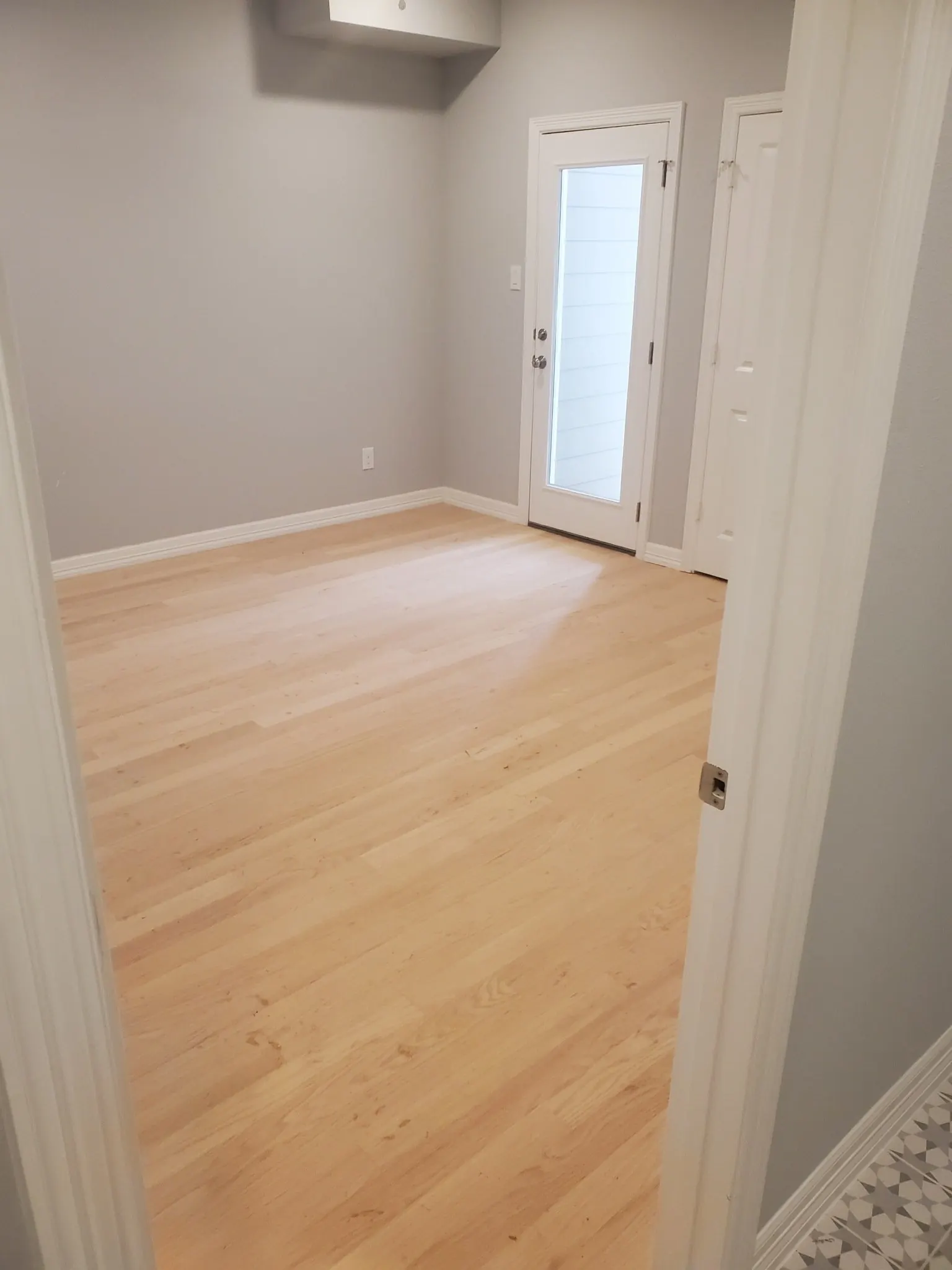
Two quotes for the same 1,000 square feet can look very different. Here are the factors that drive the price so you can compare estimates fairly.
Why there is no single price
Search online and you will find a wide range of numbers for installing 1,000 square feet of hardwood. That range is real, because the final price depends on choices about the wood and on conditions in your home. Rather than quote a figure that may not apply to your project, here is what actually moves the price up or down. Our own estimates are always written and itemized after we see your space.
Choosing the right hardwood for your home
Solid hardwood or engineered wood
Solid hardwood is milled from one piece of wood and can be refinished many times. Engineered wood has a real wood top layer on a stable core. Engineered products range from economical to premium depending on wear layer thickness, core quality and finish. Solid wood prices vary mainly by species, grade and width.
Species and grade
Common domestic species like red and white oak are usually the most budget friendly. Walnut, hickory, wide plank white oak and exotic species cost more. Clear and select grades with few knots cost more than character and rustic grades.
Width and length
Wider and longer boards generally cost more per square foot and can take more care to install.
Cost determining elements: factors to consider
Installation method
Nail down, glue down and floating installs each take different time and materials. Glue down installations on slabs include the cost of adhesive, which often doubles as a moisture barrier.
Subfloor preparation
This is the biggest variable. A flat, dry plywood subfloor needs little work. A slab that is out of level may need grinding and leveling compound. Squeaky or damaged plywood needs repair. Moisture problems need barriers.
Removal of old flooring
Pulling carpet is quick. Removing glued down vinyl or ceramic tile from a slab takes much longer and creates more debris to haul away.
Underlayment installation
Floating floors need an underlayment. Upper floors, townhomes and condos may need acoustic underlayment to meet sound requirements.
Patterns and layout
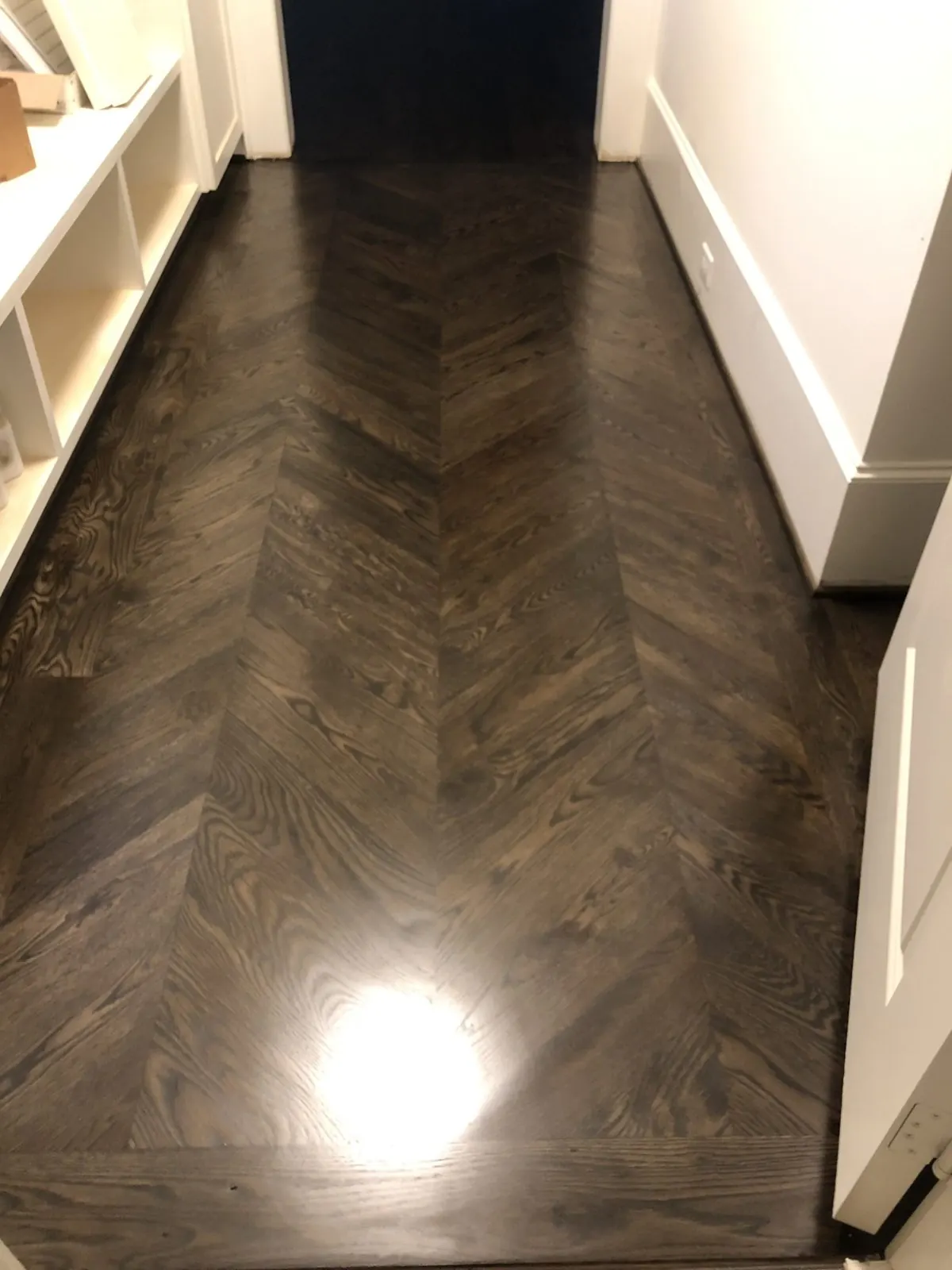
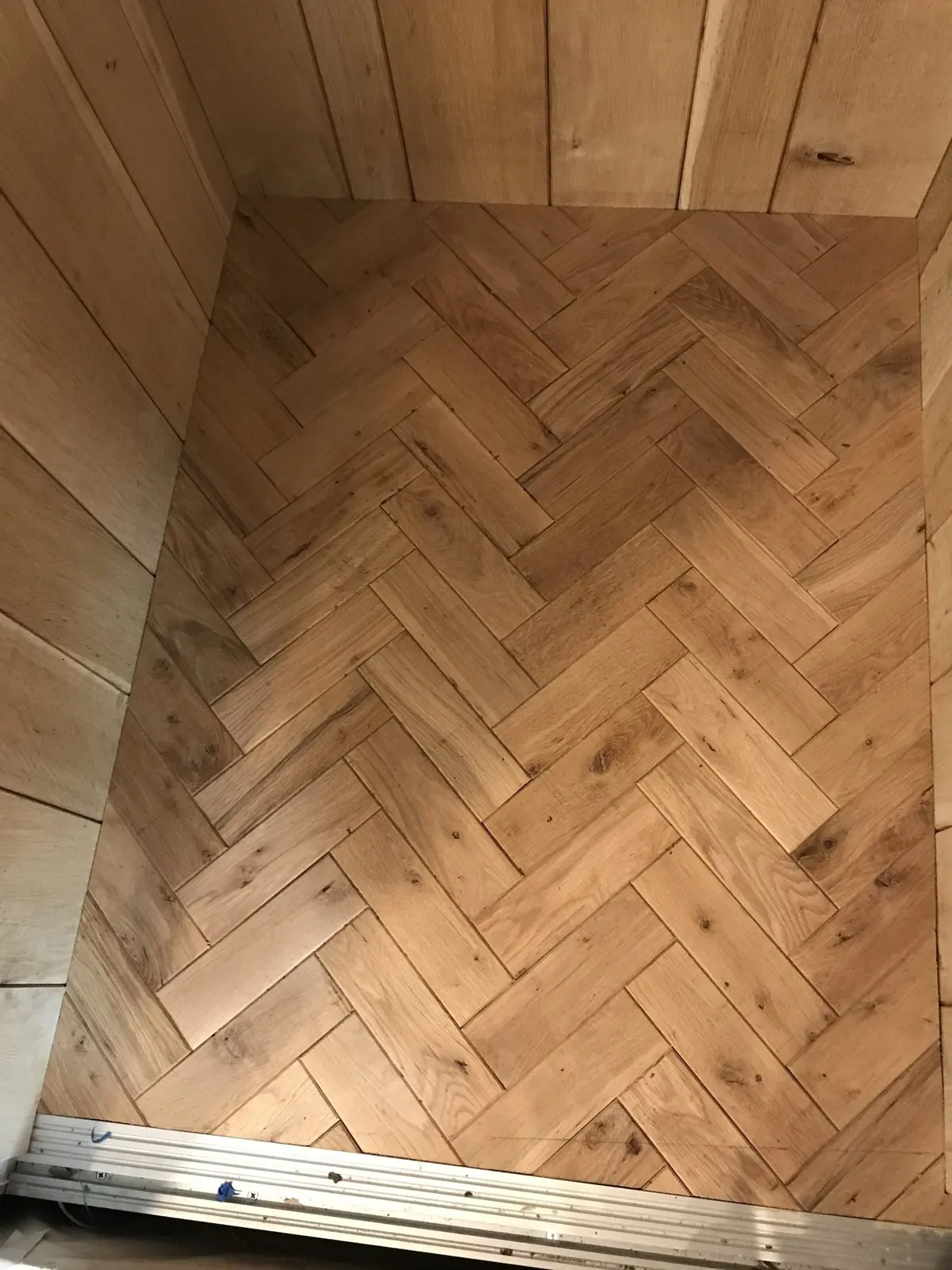
Herringbone, chevron, parquet, borders and medallions take far more labor and produce more waste than straight lay planks.
Stairs
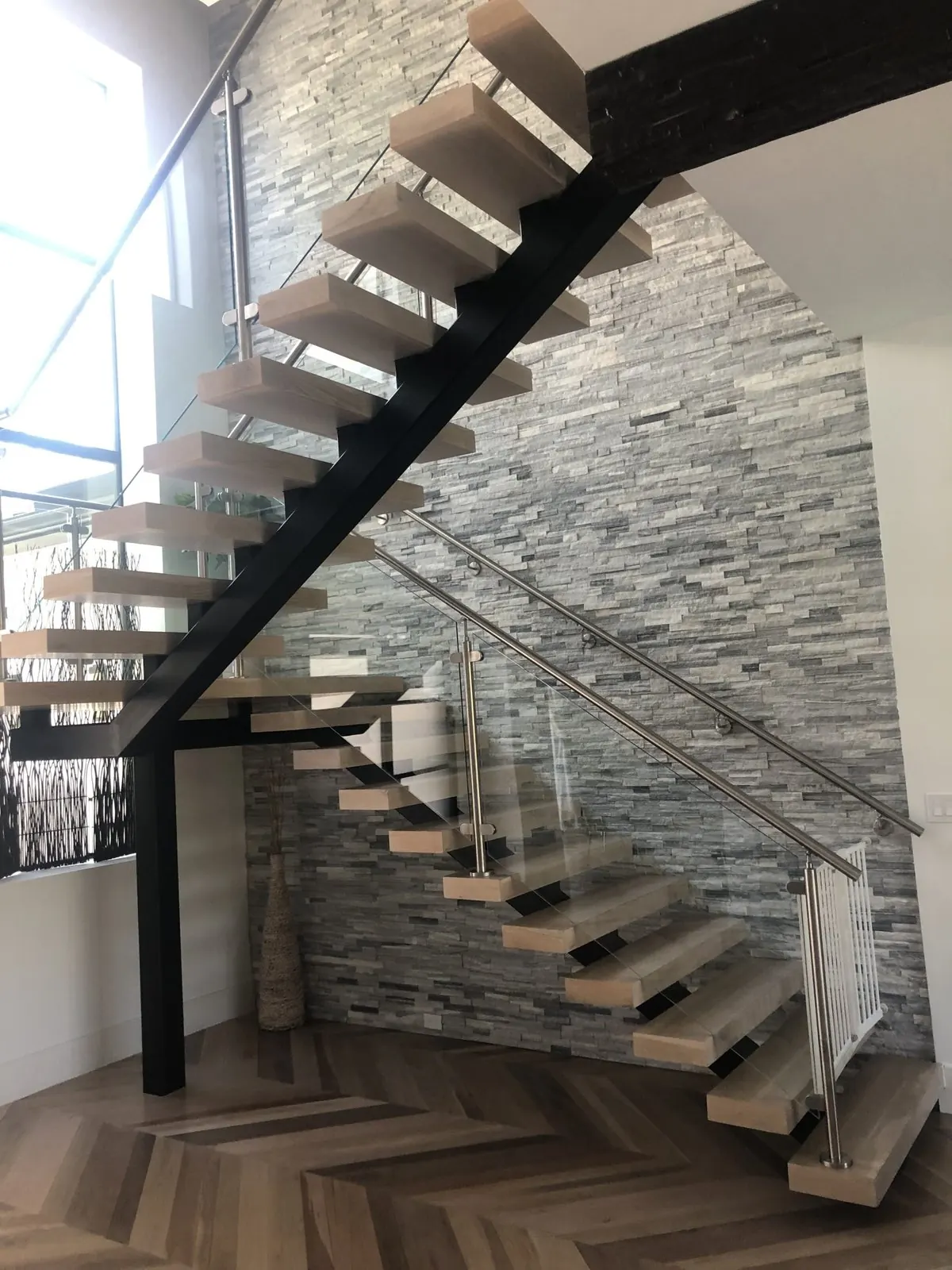
Stairs are priced separately from flat floor area because each tread and riser is cut and fitted individually.
Finishing touches
Baseboards, quarter round, thresholds, stair nosing and transitions add to the total. Site finished floors include sanding, staining and several finish coats.
Furniture and appliances
Moving furniture and appliances in and out of rooms adds time.
How to compare estimates
- Make sure each quote covers the same product, square footage and waste factor
- Check whether removal, haul away, subfloor prep and trim are included
- Ask how moisture testing and leveling are handled
- Confirm warranty coverage for materials and installation
- Be cautious of quotes far below the others, which often leave out prep
Conclusion
The cost of 1,000 square feet of hardwood depends on the wood you choose and the work your home needs. The best way to know is a written estimate based on a real visit. Reliable Hardwood Floors offers free consultations across Houston. Request yours, or read about our hardwood installation process and ways to keep hardwood service affordable.