Hiring an installer means more than paying someone to lay boards. Here is everything a complete hardwood installation service should cover.
Why choose hardwood flooring?
1. Timeless beauty
Hardwood brings natural color and grain into a home, and it suits every style from classic to modern.
2. Long lasting durability
Installed and cared for properly, hardwood lasts for decades and can be renewed by refinishing.
3. Increased property value
It is one of the most requested features in home listings.
4. Easy maintenance
Regular sweeping and damp mopping with a wood floor cleaner are all most floors need.
5. A healthier indoor environment
Without fibers to trap dust and dander, hardwood is easier to keep clean.
Types of hardwood flooring an installer works with
1. Solid hardwood
Thick boards milled from one piece of wood, nailed to a plywood subfloor. The most refinishable option.
2. Engineered hardwood
Real wood surface on a stable core. The usual choice for concrete slabs and humid climates like Houston.
3. Prefinished hardwood
Finished at the factory, so the floor is ready to use as soon as it is installed. Quick and clean.
4. Unfinished hardwood
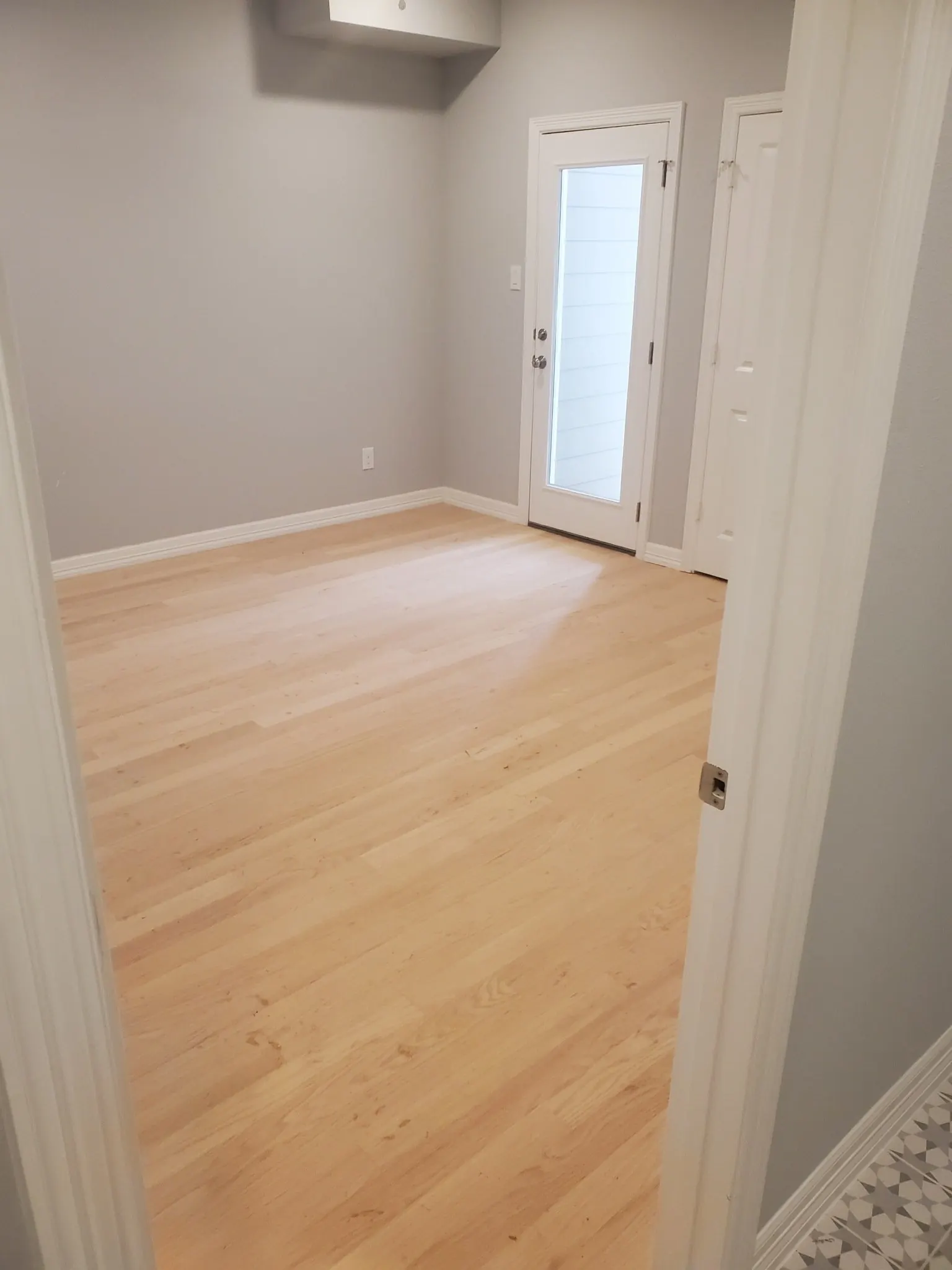
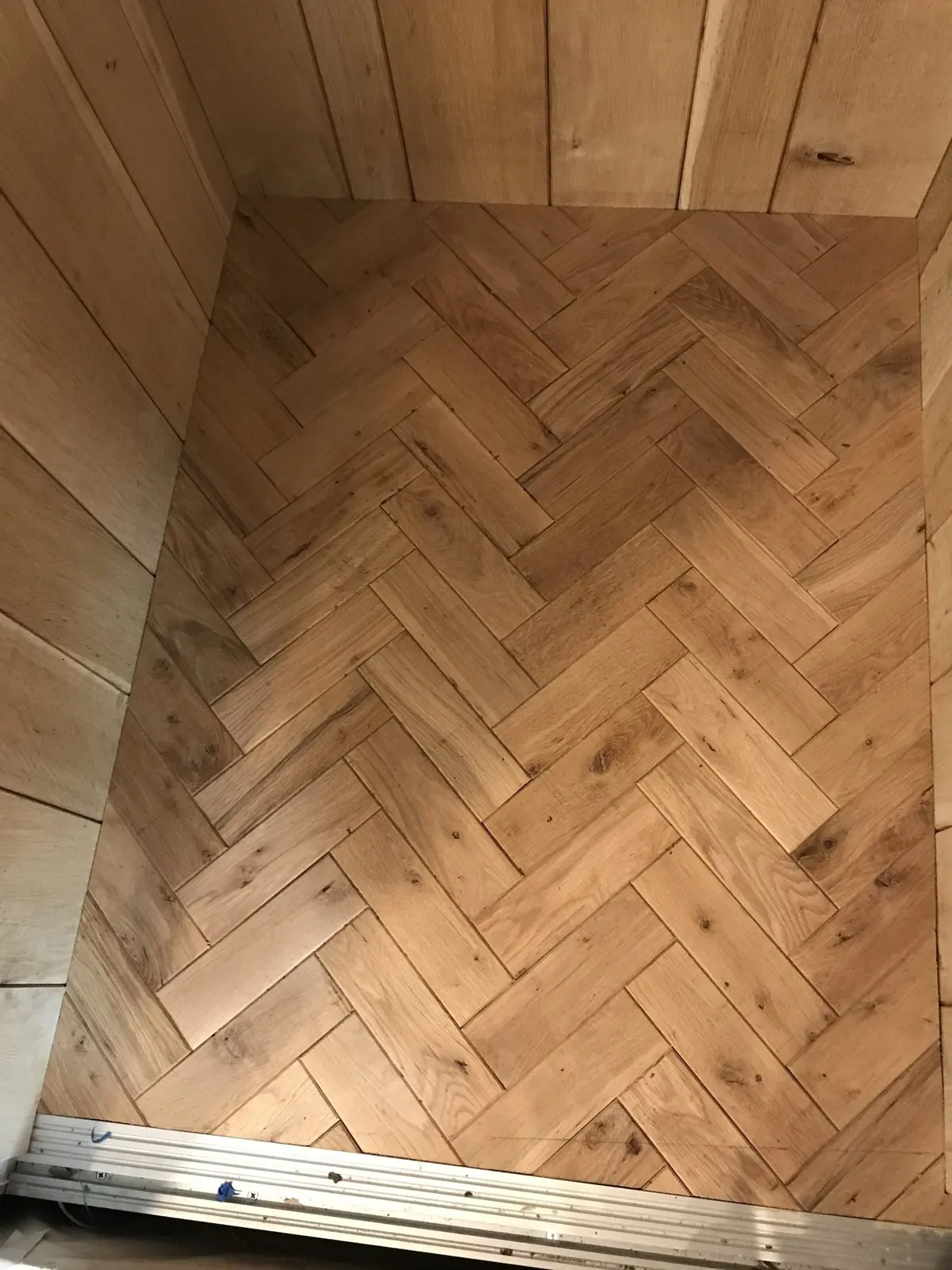
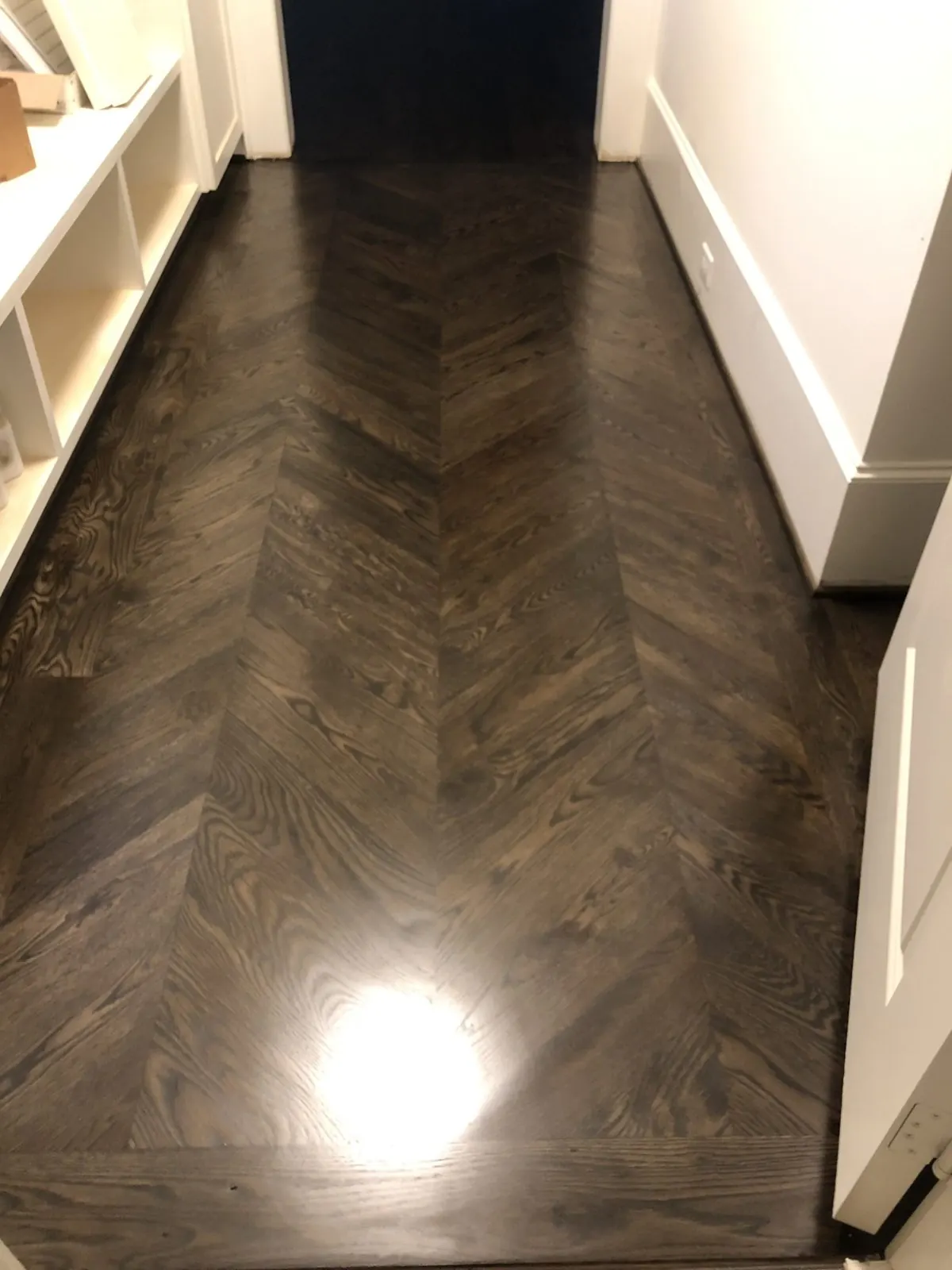
Installed raw, then sanded and finished on site. Perfect for custom colors, patterns and matching existing floors.
What a complete installation service includes
1. Initial consultation and measurement
Your installer should measure every room, test moisture in the subfloor and talk through how you use the space. You should get a written estimate that lists materials, prep, removal, trim and schedule.
2. Subfloor preparation
This is where good installers prove themselves. Old flooring and adhesive come out. High spots are ground down, low spots are filled and loose plywood is screwed tight. The right barrier or underlayment goes down for your system.
3. Acclimation and moisture checks
The wood needs to match the conditions in your home. A professional checks moisture readings of both the wood and the subfloor before starting rather than following a fixed number of days.
4. Layout planning
Boards usually run along the longest wall or main sight line. The installer snaps a straight reference line, plans transitions and decides how to handle hallways and doorways so the floor looks intentional.
5. Installation
Boards are fastened or glued according to the manufacturer's specifications, with end joints staggered and color mixed from several boxes. Expansion space is left at every wall.
6. Finishing and trim
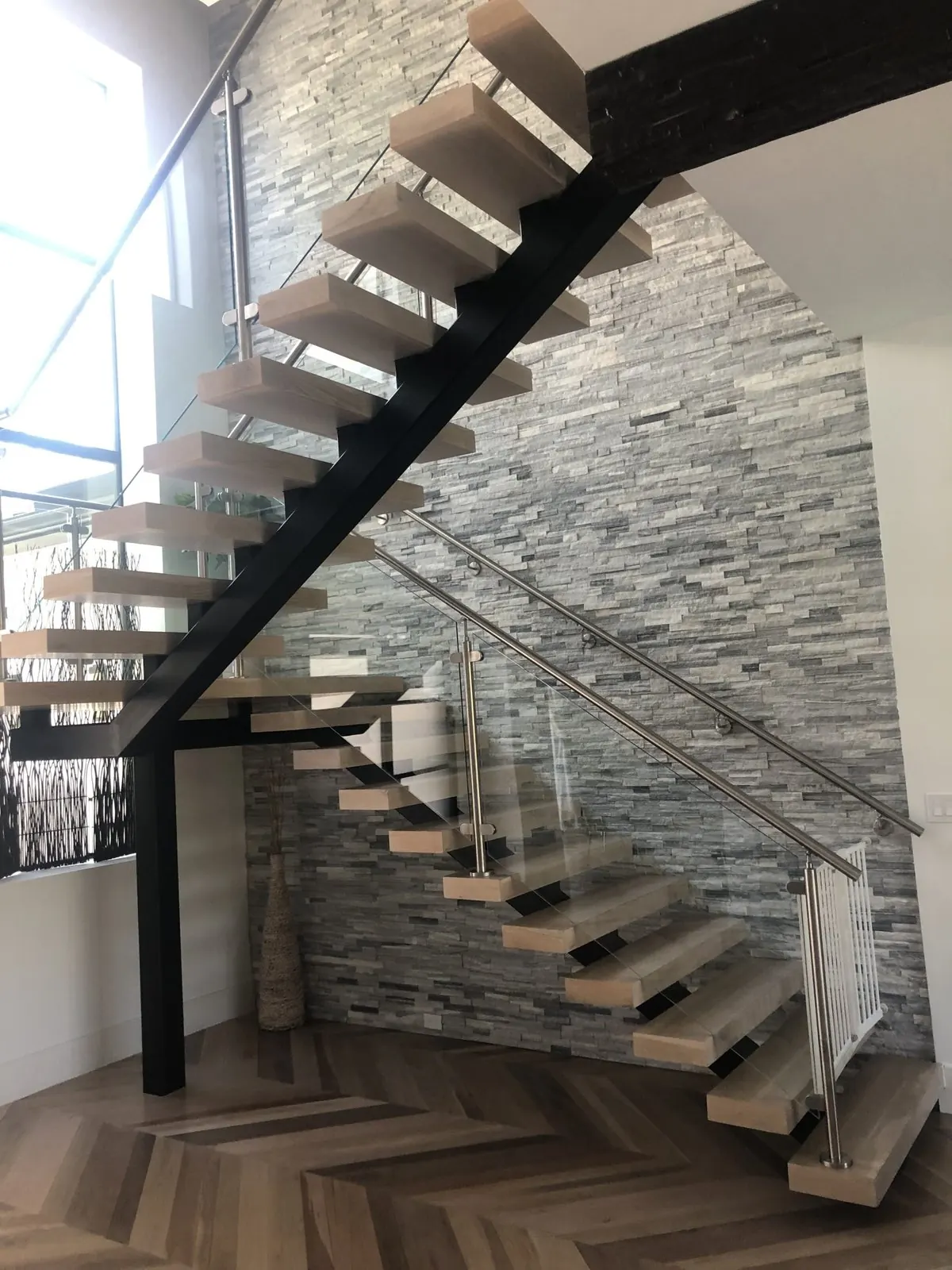
Baseboards, quarter round, thresholds and stair nosing complete the look. For unfinished floors, sanding, stain and finish follow.
7. Cleanup and walkthrough
A professional leaves your home clean and walks the floor with you, answering questions about care.
Questions to ask a hardwood installer
- How long have you been installing hardwood, and who will actually do the work?
- Do you test moisture before installing?
- How will you prepare my subfloor?
- What is included in the price, and what might cost extra?
- Are you insured, and what does your warranty cover?
Caring for your new floor
Use felt pads, mats and a wood floor cleaner, keep indoor humidity steady and plan a recoat every few years. Our guide on protecting hardwood floors has more tips.
Ready to start?
Reliable Hardwood Floors has installed hardwood across Houston for more than 25 years with our own crew. Read about our hardwood installation service or contact us for a free estimate.