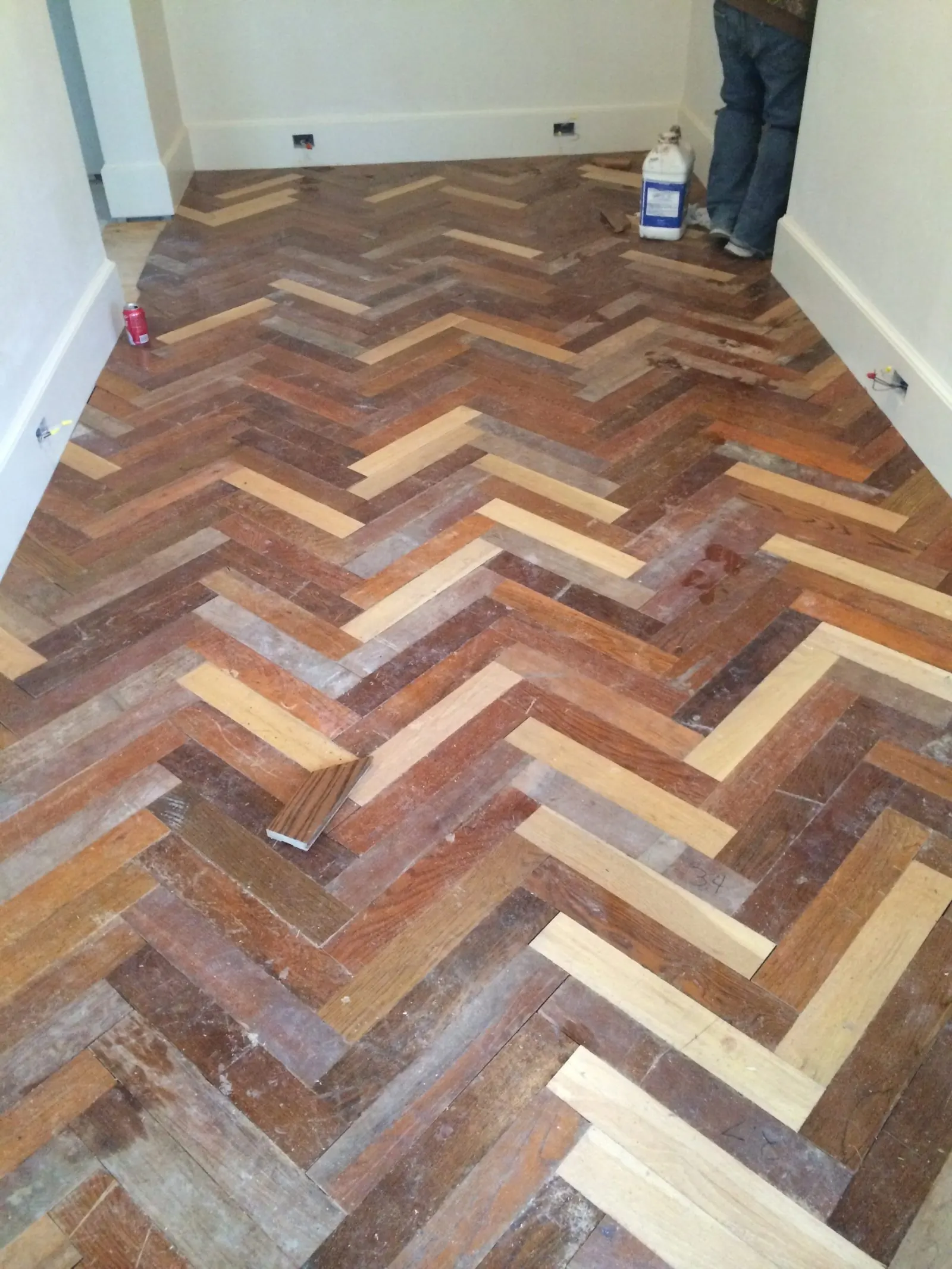
Showrooms are full of beautiful boards. These seven questions help you pick the one that will still look beautiful in your home ten years from now.
1. How hard is the wood?
Wood species are rated on the Janka hardness scale, which measures how much force it takes to dent the wood. Higher numbers resist dents from dropped toys and high heels better. Hickory and hard maple rate high. Red and white oak sit in the comfortable middle. Walnut and cherry are softer and better suited to quieter rooms.
Hardness is only part of the story, though. The finish on top takes most of the daily wear, so a medium hardness wood with a tough finish often outperforms a harder wood with a weak one.
2. What finish is on it?
Ask what kind of finish the product uses and how many coats. Factory finishes on prefinished boards are often very durable aluminum oxide coatings. Site finished floors give you a choice of oil modified polyurethane, water based polyurethane, two part commercial finishes or penetrating oils. Each has a different look, durability and maintenance routine.
3. What sheen will I live with?
Sheen is how shiny the finish looks. Gloss is striking but shows scratches, dust and footprints. Satin is the most popular middle ground. Matte looks natural and hides wear best. If you have pets or a busy household, lean toward satin or matte.
4. What is under my floor?
The subfloor decides which products and installation methods will work. Plywood on a raised foundation or a second floor suits nail down solid hardwood. A concrete slab, which is what most Houston homes sit on, usually calls for glue down engineered hardwood or a plywood system over a vapor barrier for solid wood. Ask your installer to test moisture before anything is ordered.
5. Does it need to acclimate?
Wood adjusts to the temperature and humidity of the room it lives in. Most solid hardwood should sit inside your home, with the air conditioning running normally, before installation. Some engineered products need little acclimation. Follow the manufacturer's instructions for your specific product, and make sure your installer checks moisture readings rather than guessing.
6. Can it be refinished later?
Solid hardwood can be sanded and refinished many times. Engineered hardwood depends on the thickness of its wear layer. A thin veneer can only be screened and recoated. A thicker wear layer can be sanded once or more. If you plan to stay in your home for many years, the option to refinish adds real value. Learn more about the process on our sanding and refinishing page.
7. What does the warranty cover?
Manufacturer warranties usually cover the finish and structural defects, often with conditions about installation, humidity and cleaning products. Installer warranties cover workmanship. Read both, and keep your paperwork. At Reliable Hardwood Floors our warranties cover both materials and installation, with terms explained in writing before work begins.
Bonus: questions about the look
- Do I want a calm, uniform floor or one with knots and color variation?
- Will the color work with my cabinets, trim and furniture in my light?
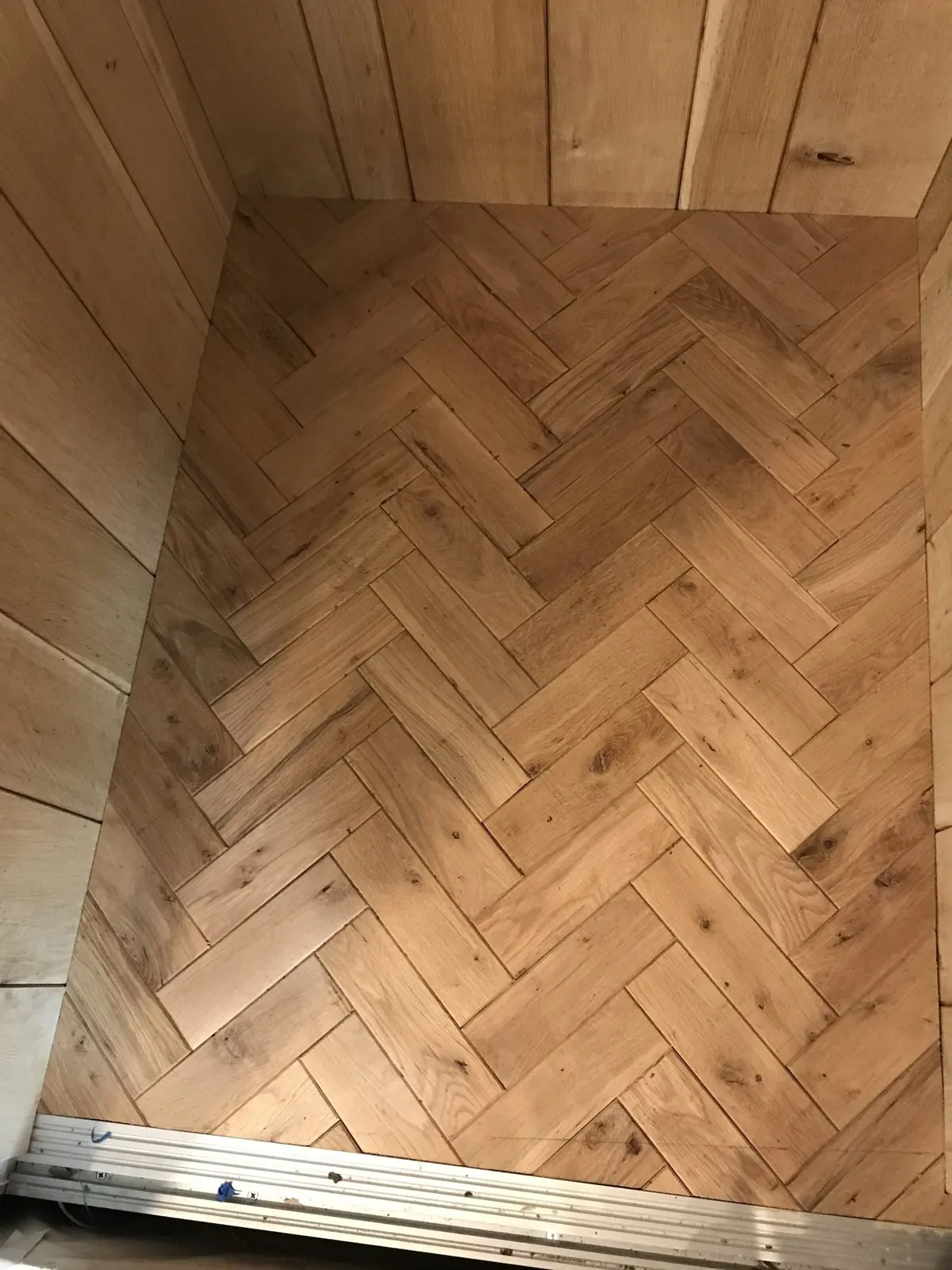
- Which direction should the boards run in each room?
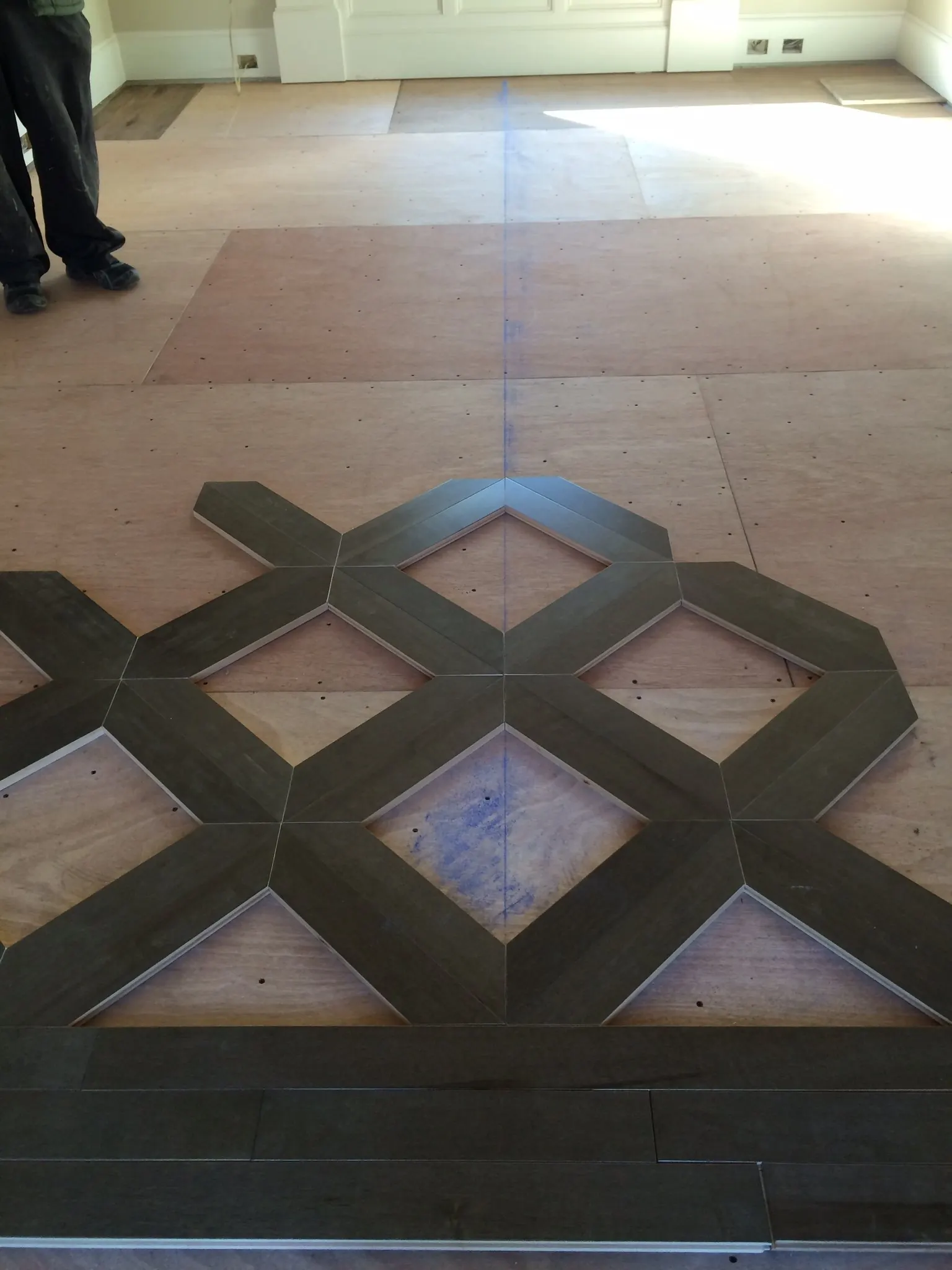
- Would a border, medallion or pattern make a room special?
Putting it together
The right hardwood floor balances how it looks, how it wears and how well it suits your subfloor and climate. If you would like help answering these questions for your own home, Reliable Hardwood Floors offers free consultations across Houston. Start with our new hardwood floors page or contact us to schedule a visit. For more background, read how to choose the right wood flooring.