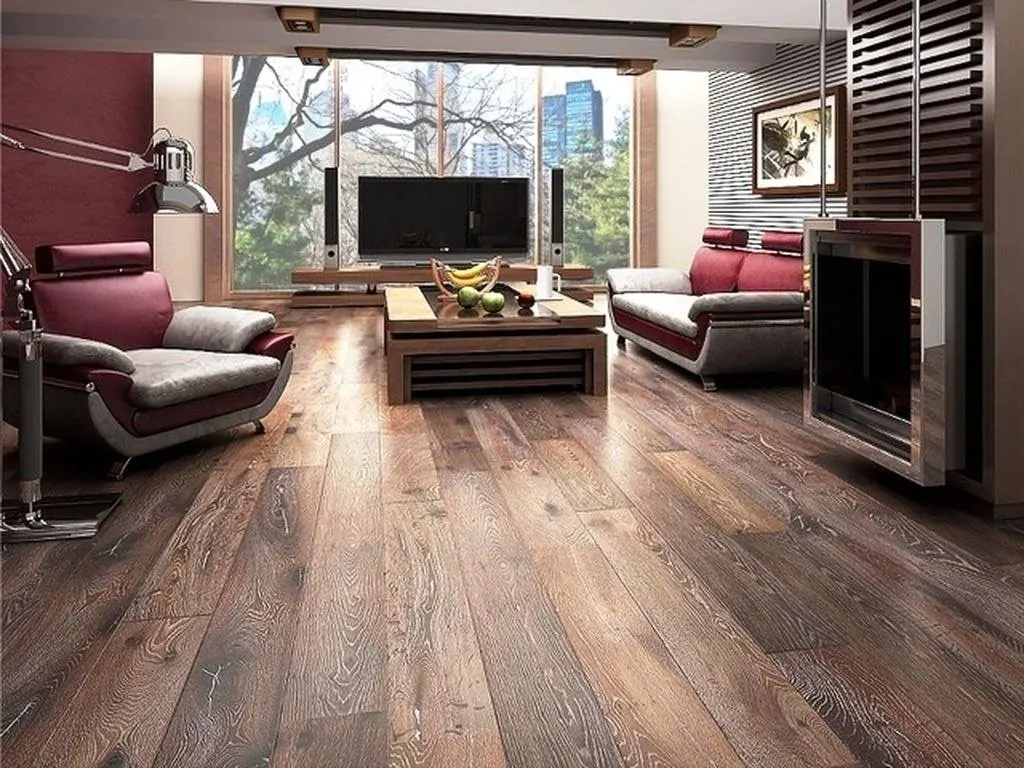
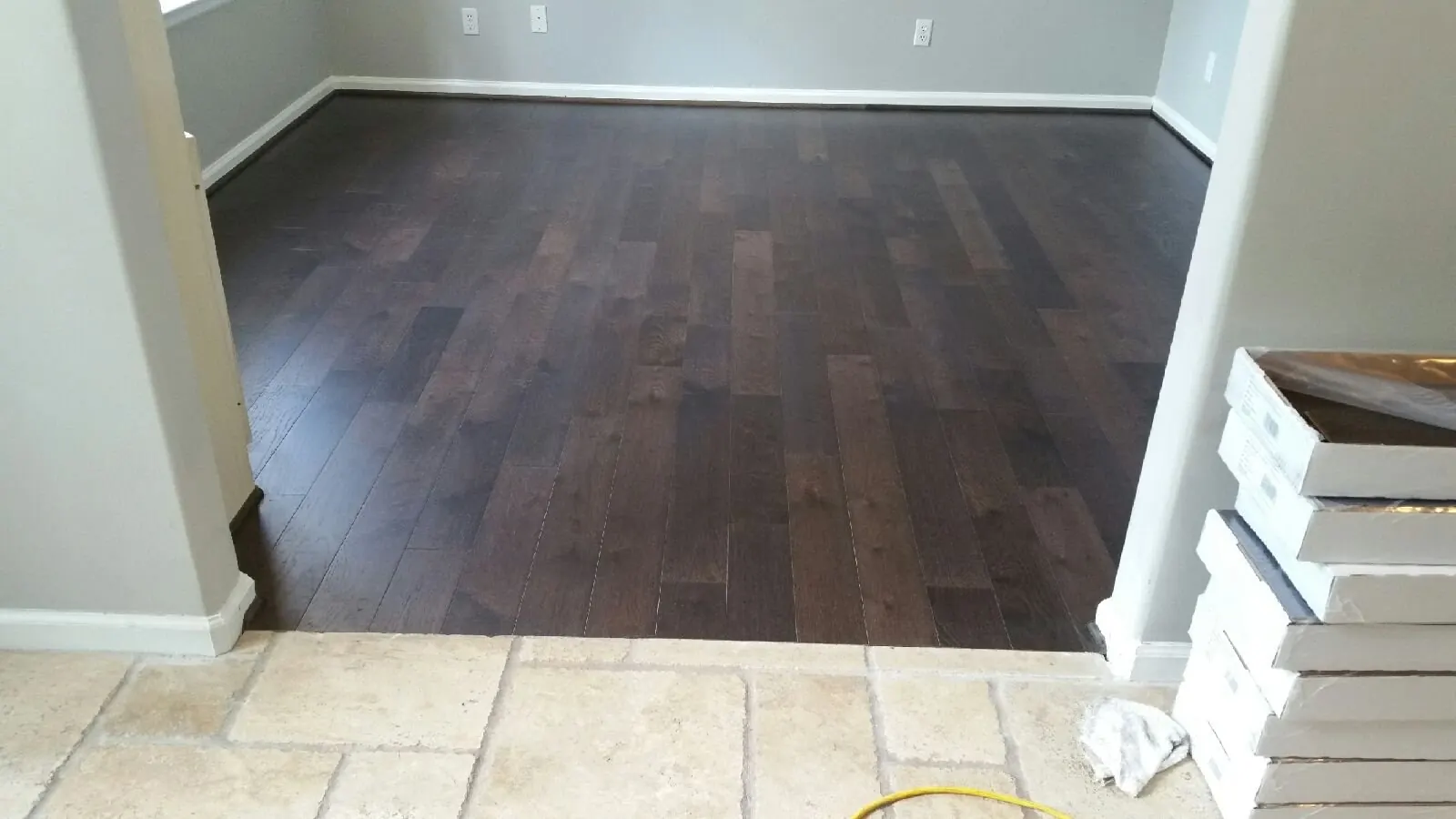
Engineered wood is often sold as the floor that does it all. The truth is more useful: it is very durable in some ways and depends on quality in others.
Reasons engineered hardwood floors are durable
Moisture resistance
Engineered wood is not waterproof, but its layered core handles humid air much better than solid wood. It is far less likely to cup or gap as the seasons change.
Stability in varying environments
The plies in the core run in alternating directions, so they resist each other's movement. That makes engineered floors a strong choice for concrete slabs, basements and homes with big humidity swings.
A long lasting finish
Most engineered floors come with tough factory applied finishes, often aluminum oxide, cured under controlled conditions. These finishes resist scratches and wear very well.
Refinishable options
Products with a thick enough wear layer can be sanded and refinished, sometimes more than once. That extends their life considerably.
Handles heavy traffic well
With a quality finish and a textured surface, engineered floors stand up well to busy hallways, kitchens and family rooms.
Works over radiant floor heat
Many engineered floors are approved for radiant heat because the core resists drying and shrinking.
Where durability depends on quality
The word engineered covers a wide range of products. A floor with a thin veneer and a weak core will not perform like a premium product with a thick wear layer and a multi ply plywood core. Things to check:
- Wear layer thickness. About 3 millimeters or more allows future sanding.
- Core construction. More plies usually mean more stability and a more solid feel.
- Finish quality. Ask about the finish type and number of coats.
- Manufacturer warranty. Read what it covers and its conditions.
Where engineered wood falls short
- It can still be dented by heavy impacts, like any wood.
- Standing water and floods will damage it.
- Thin veneer products cannot be sanded.
- Very cheap products may delaminate or wear through quickly.
Tips to maximize the durability of engineered wood floors
- Choose a product with a healthy wear layer and a quality core.
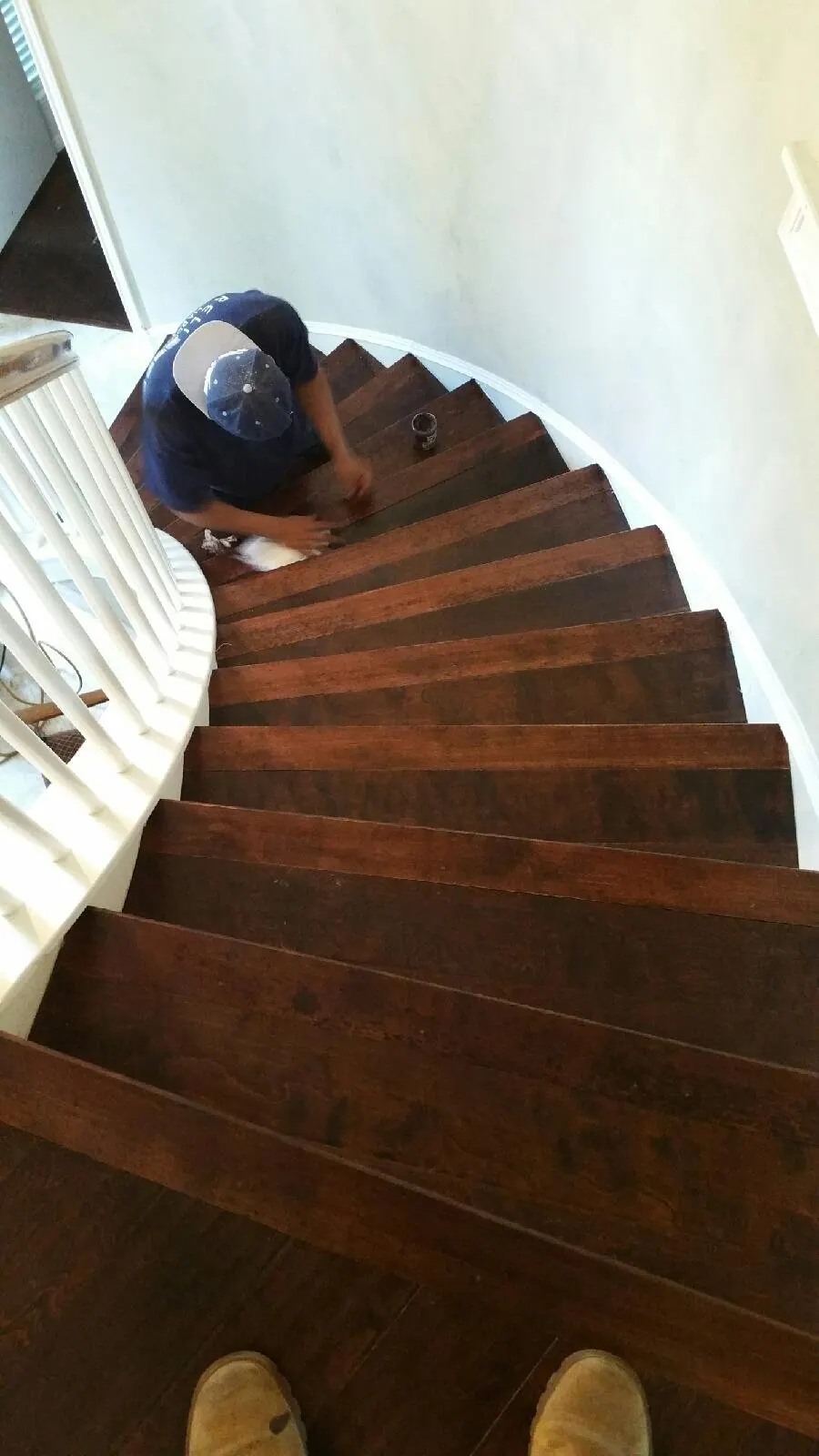
- Have it installed professionally, with moisture testing and subfloor prep.
- Keep indoor humidity steady between about 35 and 55 percent.
- Use entry mats and felt pads under furniture.
- Clean with a wood floor cleaner and a barely damp mop. Never steam mop.
- Choose a wire brushed or matte finish if you have pets.
- Schedule a screen and recoat every few years.
- Wipe up spills right away.
Conclusion
Engineered wood floors really are durable when you choose a quality product and have it installed well. They are stable, attractive and well suited to homes on slabs and in humid climates like ours. Explore our engineered wood floors page, read about the benefits of engineered wood or contact us for a free estimate.