
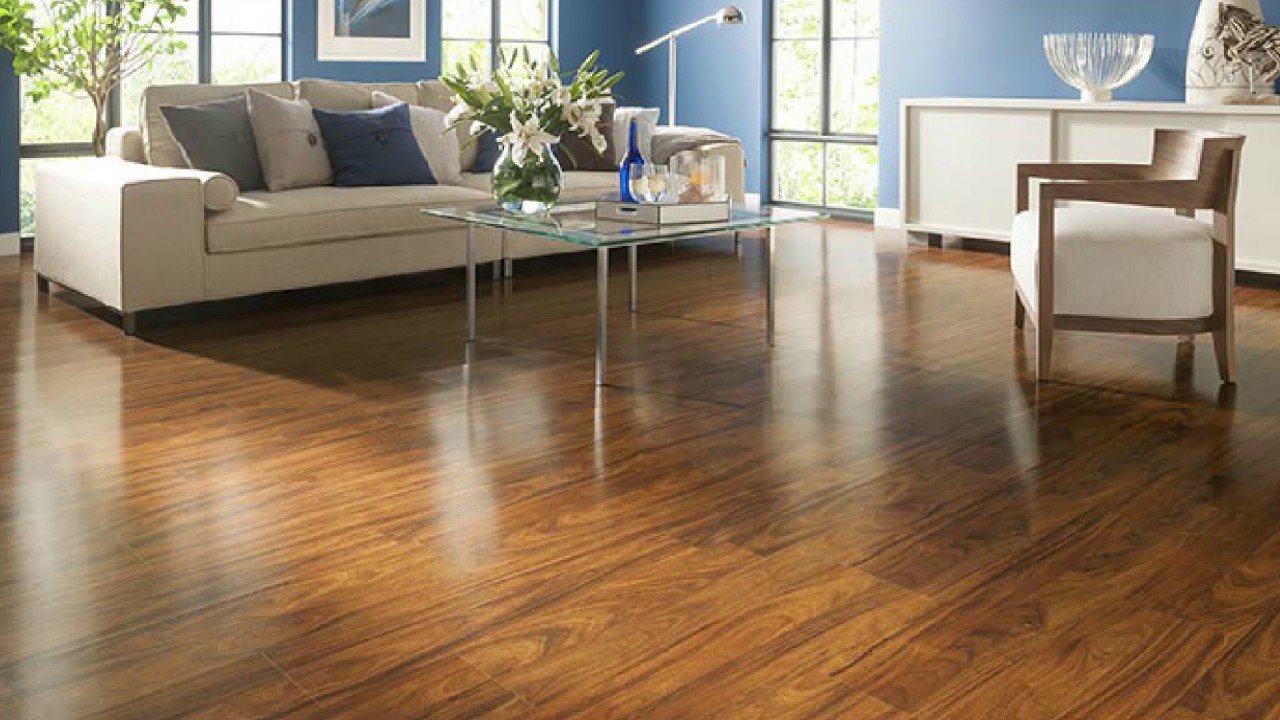
When it comes to upgrading your home or business, flooring plays a major role in both appearance and functionality. Among the many options available today, laminate floors have become one of the most popular choices for homeowners and property managers alike. They offer the elegant look of hardwood or stone without the high price tag or demanding maintenance requirements.
Whether you are renovating a single room or planning a complete property makeover, laminate flooring provides an attractive, durable, and budget-friendly solution. In this blog, we’ll explore what laminate floors are, their benefits, installation process, maintenance tips, and why they continue to be a top flooring choice.
What Are Laminate Floors?
Laminate flooring is a multi-layer synthetic flooring product designed to replicate the appearance of natural materials such as hardwood, stone, or ceramic tile. It consists of four main layers:
- Wear Layer: A protective top coating that resists scratches, stains, and fading.
- Design Layer: A high-resolution printed image that mimics the look of wood, stone, or tile.
- Core Layer: Made from high-density fiberboard (HDF), providing strength and stability.
- Backing Layer: Helps prevent moisture damage and adds structural support.
Thanks to modern manufacturing techniques, laminate flooring closely resembles natural wood grains and textures, making it difficult to distinguish from real hardwood at first glance.
Benefits of Laminate Flooring
1. Affordable Alternative to Hardwood
One of the biggest reasons people choose laminate flooring is its cost-effectiveness. Hardwood flooring can be expensive, both in terms of materials and installation. Laminate offers a similar aesthetic at a fraction of the cost, allowing homeowners to achieve a luxurious look while staying within budget.
2. Exceptional Durability
Laminate floors are designed to withstand daily wear and tear. The tough wear layer protects against scratches, dents, stains, and fading, making it an excellent choice for busy households with children and pets. It also performs well in high-traffic commercial spaces where durability is essential.
3. Wide Variety of Styles
Laminate flooring is available in countless colors, patterns, and finishes. Whether you prefer the rustic charm of oak, the sophistication of walnut, or the modern appeal of gray-toned planks, there is a laminate option to match every interior design style.
4. Easy Installation
Most laminate flooring systems feature a click-lock design that allows planks to snap together without the need for nails or glue. This floating floor installation method reduces labor costs and shortens project timelines. In many cases, laminate can even be installed over existing flooring surfaces.
5. Low Maintenance
Unlike hardwood floors that require regular refinishing and specialized cleaning products, laminate flooring is incredibly easy to maintain. Routine sweeping, vacuuming, and occasional damp mopping are usually enough to keep the surface looking clean and beautiful.
6. Resistant to Fading and Stains
The protective top layer shields laminate flooring from UV rays and accidental spills. This means your floors retain their color and finish even after years of exposure to sunlight and everyday use.
Where Can Laminate Flooring Be Installed?
Laminate flooring is a versatile solution suitable for a wide range of spaces, including:
- Living rooms
- Bedrooms
- Dining areas
- Hallways
- Home offices
- Retail stores
- Commercial offices
Many modern laminate products also feature enhanced moisture resistance, making them suitable for kitchens and certain basement applications. However, it is important to choose water-resistant or waterproof laminate if the area is exposed to frequent moisture.
Laminate Flooring vs. Hardwood Flooring
While hardwood flooring remains a timeless option, laminate offers several practical advantages. Hardwood is made from natural wood and can be refinished multiple times, but it is more susceptible to scratches, moisture damage, and higher maintenance costs.
Laminate flooring, on the other hand, provides greater scratch resistance, easier installation, and lower upfront costs. It is ideal for homeowners who want the visual appeal of wood without the associated maintenance demands. For families with active lifestyles or pets, laminate often proves to be the more practical choice.
The Laminate Floor Installation Process
Professional installation helps ensure a long-lasting and flawless finish. The typical installation process includes:
Initial Assessment
The flooring contractor evaluates the existing subfloor to ensure it is clean, dry, and level. Any necessary repairs or adjustments are completed before installation begins.
Acclimation
Laminate planks are usually left in the installation area for 24 to 48 hours. This allows the material to adjust to the room’s temperature and humidity, reducing the risk of expansion or contraction after installation.
Underlayment Installation
A high-quality underlayment is placed over the subfloor to improve comfort, reduce noise, and provide additional moisture protection.
Plank Installation
The laminate planks are connected using the click-lock system and arranged according to the desired pattern. Installers carefully stagger the seams to create a natural and visually appealing appearance.
Finishing Touches
Baseboards, transition strips, and trim pieces are installed to complete the project and create a polished, professional finish.
Tips for Maintaining Laminate Floors
Proper care helps maximize the lifespan and appearance of your laminate flooring. Here are a few simple maintenance tips:
- Sweep or vacuum regularly to remove dust and debris.
- Clean spills immediately to prevent moisture from seeping into the seams.
- Use a damp microfiber mop rather than excessive water.
- Avoid abrasive cleaners or steel wool that can damage the protective layer.
- Place felt pads under furniture legs to prevent scratches.
- Use entry mats to reduce dirt and grit from being tracked indoors.
By following these simple steps, laminate flooring can remain attractive and functional for many years.
Is Laminate Flooring a Good Investment?
Absolutely. Laminate flooring offers an outstanding balance between cost, appearance, and performance. It enhances the visual appeal of a property while providing long-lasting durability with minimal upkeep. For homeowners preparing to sell, updated laminate floors can also increase the overall attractiveness of a home to potential buyers.
Because it is available in a wide variety of styles and price points, laminate flooring is suitable for nearly every budget and design preference. Its combination of affordability and reliability makes it one of the smartest flooring investments available today.
Why Choose Professional Laminate Floor Installation?
Although some homeowners attempt DIY installation, hiring experienced flooring professionals ensures the best results. Experts have the tools and knowledge needed to prepare the subfloor properly, install the planks accurately, and avoid common mistakes that could affect the floor’s longevity.
Professional installers also help you select the right laminate product based on your lifestyle, design goals, and budget. Their expertise ensures a seamless installation process and a finished floor that looks stunning and performs reliably for years.
Final Thoughts
Laminate floors continue to grow in popularity because they deliver the perfect combination of beauty, practicality, and value. They replicate the natural elegance of hardwood while offering superior resistance to scratches, stains, and everyday wear. With a wide selection of styles, easy maintenance requirements, and affordable pricing, laminate flooring is an excellent choice for both residential and commercial spaces.
Whether you’re remodeling a single room or updating your entire property, laminate flooring provides a stylish and durable solution that fits modern lifestyles. By choosing high-quality materials and professional installation, you can enjoy beautiful, long-lasting floors that enhance the comfort and value of your home for years to come.